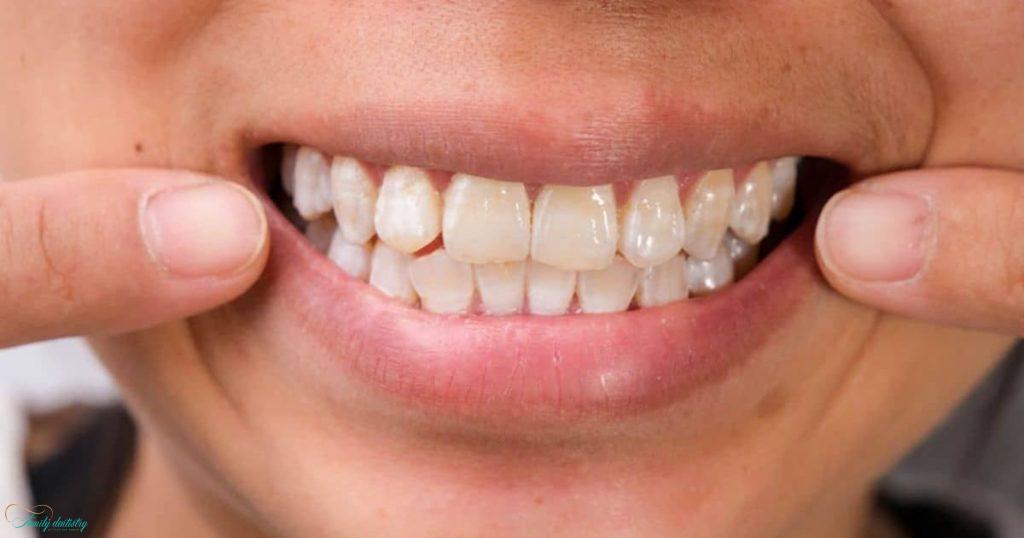
You may have noticed a few white spots while brushing or looking at your teeth. The first thought that may come to your mind is that these spots could be a sign of decay. Let me relieve your stress a little; many of these spots can be removed with a simple dental cleaning. However, you need to know the real cause so that you can start the necessary treatments, if necessary. Below, we will examine the causes of white spots on teeth and ways to treat them.
What causes white spots on teeth?
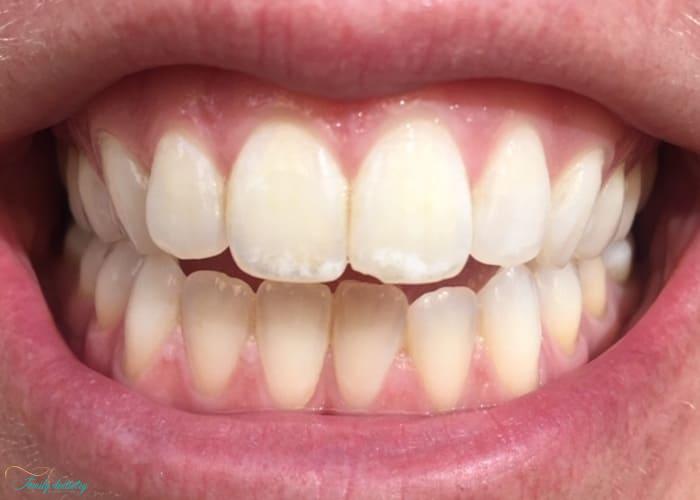
White spots on teeth are sometimes related to the period of tooth formation and sometimes to your daily habits. Below, we will examine the most important causes of these spots that we have encountered at Walk In Family Dentistry:
1. Demineralization
When plaque and bacteria remain on the teeth, they produce acid and gradually destroy the minerals of the tooth enamel. In this case, part of the enamel weakens, and white spots appear on the teeth. These changes are usually seen near the gums or around orthodontic brackets and can be an early sign of decay.
2. Dental Fluorosis
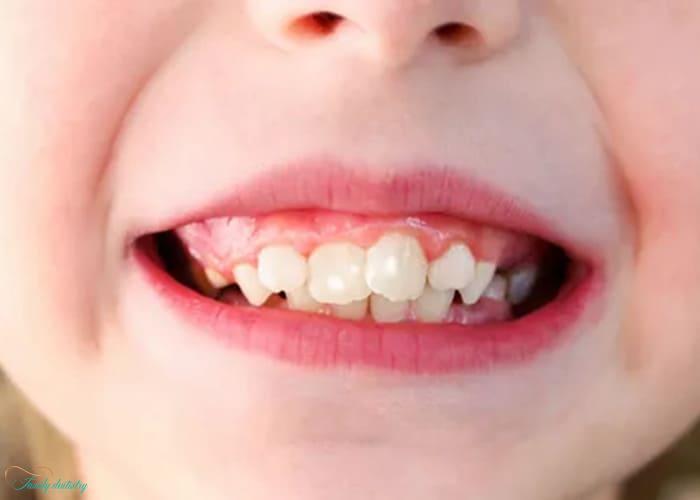
Fluorosis occurs when a child receives too much fluoride continuously during the years when permanent teeth are forming. In this condition, the process of forming tooth enamel is affected, and after the teeth erupt, white spots or lines appear on them. Fluorosis usually does not seriously damage the health of the teeth.
3. Enamel Hypoplasia
In hypoplasia, the tooth enamel does not form completely and may be thinner and weaker. Factors such as vitamin D and calcium deficiency, feverish illnesses, premature birth, or certain pregnancy problems can cause it. Because of this, the tooth is less resistant and more susceptible to decay.
Not Sure What’s Causing Those White Spots?
A white spot may be a simple cosmetic change, but changes in texture, size, or sensitivity can point to enamel damage. At Walk In Family Dentistry, we can examine the affected teeth and determine what may be causing the spots.
Call Us Today to Find Out What’s Causing Your White Spots on Teeth.
4. Impact or injury to a baby tooth
Because the permanent tooth is located below the baby tooth and near its root, a severe impact to a baby tooth can also damage the developing permanent tooth. This damage may disrupt the formation of enamel and, after it erupts, appear as white spots or defects.
5. Dietary habits and oral hygiene
Excessive consumption of soda, industrial fruit juices, and sour, acidic, and sweet foods gradually damages tooth enamel. Also, irregular brushing and flossing cause plaque to accumulate, and dry mouth can exacerbate this damage and increase the likelihood of white spots.
Read more: Whiten Fillings on Front Teeth: Causes, Solutions, and Expert Tips
Are white spots on your teeth dangerous?
Some spots only change the appearance of your teeth, and if the surface of the spot is smooth and does not change the texture of the tooth, it is usually nothing to worry about. However, some spots can be a sign of damage to the enamel or the beginning of decay, including:
- The spot is getting bigger.
- The spot has a dull, chalky appearance.
- The tooth surface in that area is rough or uneven.
- The area becomes sensitive or painful when eating hot or cold foods.
- The color of the spot changes to dark yellow or brown.
- The number of spots increases in a short period of time.
If the white spots on your teeth have any of these changes, it is best to take them seriously. Also, if you see black spots on your teeth, there is a high chance of cavity formation.
How are white spots treated?
At Walk In Family Dentistry, we use a variety of methods to treat white spots, depending on the cause of the white spots and the condition of your teeth.
Fluoride Therapy and Enamel Strengthening
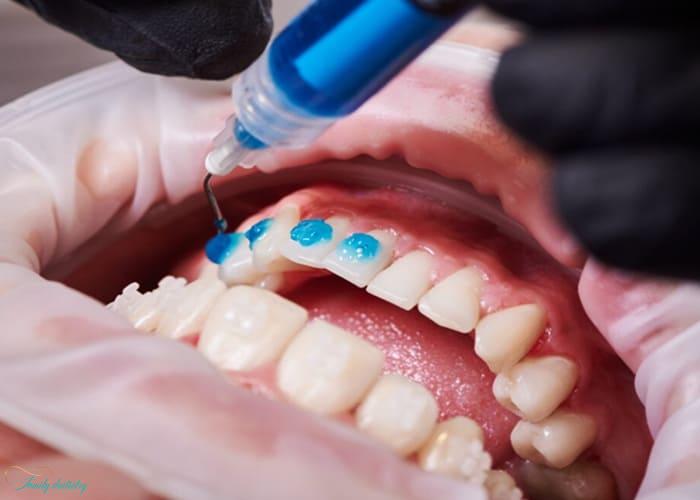
If the white spot is in the early stages of demineralization, fluoride therapy can help restore lost minerals and strengthen the enamel. In this method, the dentist uses a fluoride varnish or gel, depending on the condition of the tooth, to stop the damage process.
Enamel Microabrasion
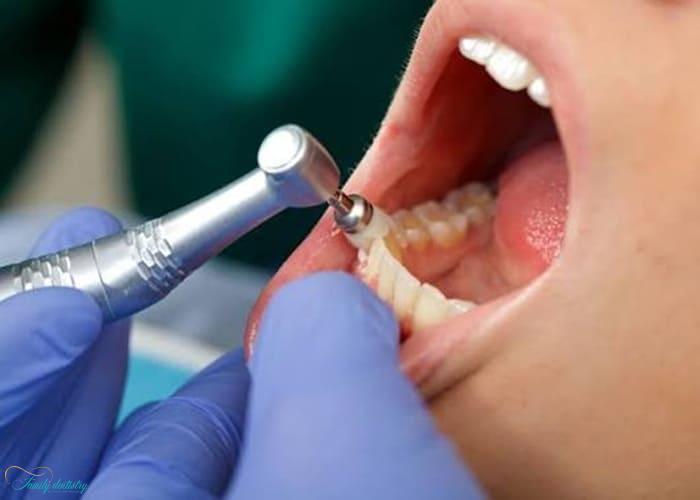
Microabrasion is used to treat superficial white spots. In this method, a very thin layer of the enamel surface is removed with special materials to make the spots less visible and the tooth color more uniform. Enamel microabrasion is usually performed without anesthesia and in one session.
Resin Infiltration
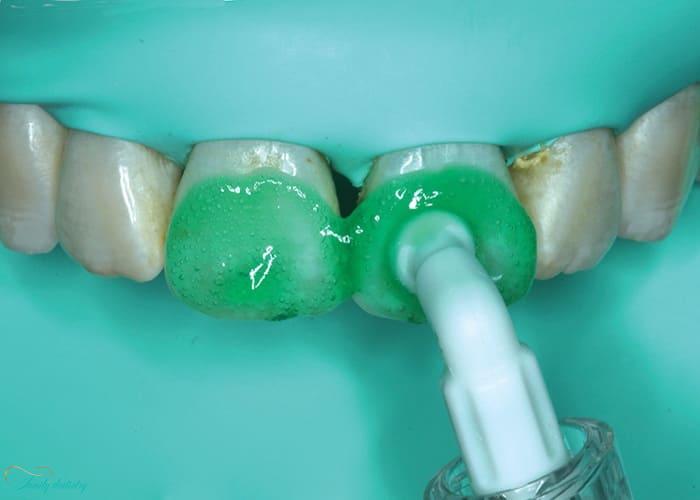
In this method, the tooth surface is first prepared so that the resin can penetrate the porous parts of the enamel. The resin is then cured with light and fills these spaces, making the color difference between the white spot and healthy enamel less visible, without the need for scaling or anesthesia.
Teeth Whitening
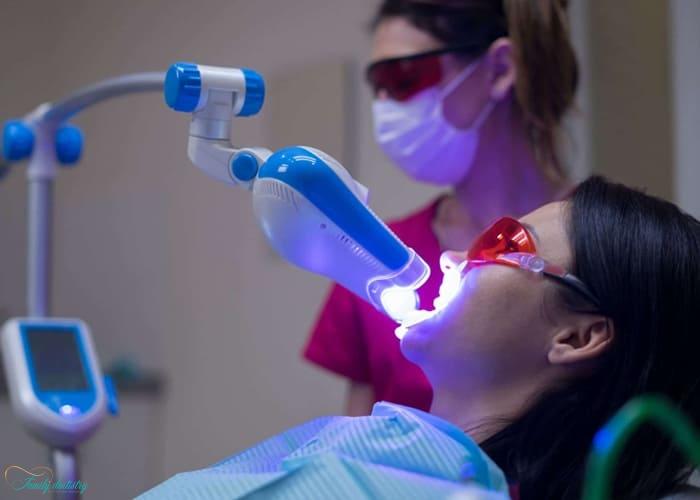
This method does not eliminate the white spot, but it reduces the contrast between the stain and the surrounding enamel by brightening the overall color of the tooth. The extent of the effect of teeth whitening depends on the cause of the stain and the severity of the enamel changes and is not suitable for all cases.
Veneers and Composite
Sometimes white spots are so deep or extensive that less invasive methods cannot provide adequate results. In these cases, especially in cases of fluorosis or severe hypoplasia, dental veneers and composite can be used to cover and correct the appearance of the stains.
Preventing White Spots on Teeth
With a few simple changes in your daily habits and a little more attention to dental care, you can greatly reduce the risk of developing white spots:
- Brush your teeth twice a day with fluoride toothpaste and floss every day to prevent plaque from accumulating on your teeth.
- If you have children, use the amount of toothpaste appropriate for their age and be careful not to swallow the toothpaste.
- During orthodontic treatment, clean around the brackets more carefully and use a water flosser to remove plaque.
- Reduce the frequent consumption of sweet and acidic foods and drinks.
Finally, one of the benefits of visiting a dentist is identifying changes in tooth enamel and stains in the early stages, so take it seriously.
Let us take a closer look at your teeth
White spots on teeth can have a variety of causes. Some of them simply change the appearance of your teeth, but others can be a sign of enamel damage or the beginnings of decay. That’s why if you notice white spots on your teeth, we recommend that you Book an Appointment so that the experienced dentists at Walk In Family Dentistry can examine your teeth carefully and prescribe appropriate treatment if necessary.
FAQ
1. Do white spots go away on their own?
Some stains, such as those that develop in the early stages of demineralization, may fade over time with the cause being addressed and proper care. However, stains that are caused by the way the enamel is formed or changes in structure, such as fluorosis or hypoplasia, usually do not go away on their own.
2. Do whitening toothpastes work on white spots?
Whitening toothpastes remove most surface stains caused by tea, coffee, and cigarettes and usually have little effect on white spots that are related to changes in the enamel.
3. Is the cost of treating white spots covered by supplementary insurance?
Treatments that are more cosmetic in nature, such as resin infiltration or veneers, are usually not covered by insurance; However, if the cause of the treatment is enamel damage or decay, part of the cost may be covered. It is best to check with your insurance before starting treatment.
4. Can white spots return after treatment?
If the underlying cause of the spots, such as poor oral hygiene, is not addressed, there is a chance that the spots will return or new spots will form. For this reason, you should pay more attention to oral hygiene and dental care after treatment.
5. How does the dentist diagnose the cause of white spots on your teeth?
The dentist will first examine the shape, color, and surface of the spot and the condition of the tooth enamel. Then, he or she will ask questions about your orthodontic history, dental trauma, and hygiene habits to more accurately determine the cause of the spot. If necessary, diagnostic methods such as DIAGNOdent, QLF, and radiography will be used.
Have you noticed white spots on your teeth and wondered what caused them? Share your experience or questions in the comments.