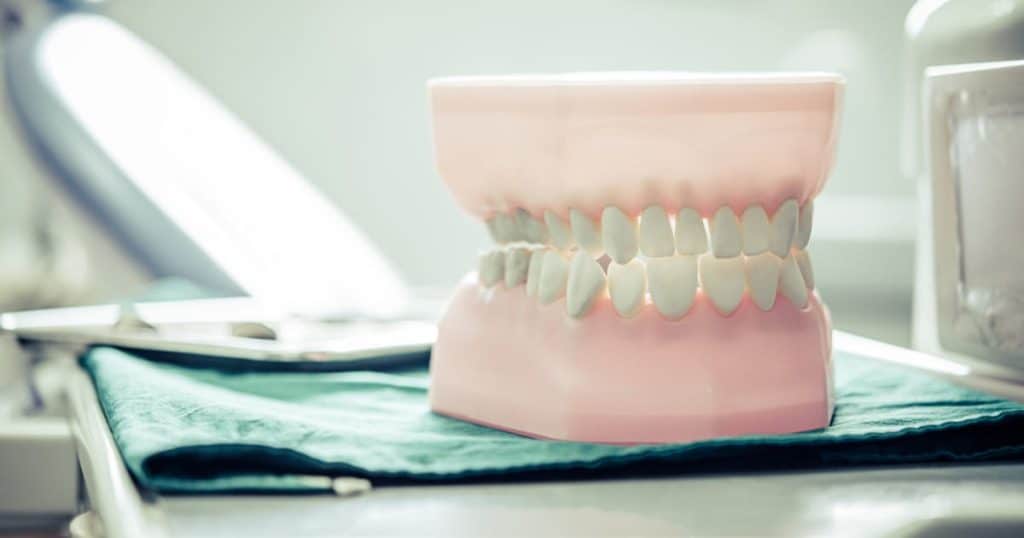
We understand how missing teeth can really damage your self-confidence. Also, denture prices these days are very expensive, and many can’t afford them. If you’re in Canada, you can use the CDCP for dentures, and it pays a portion of the costs based on your adjusted family net income. Stay with us, and we will explore more about the CDCP denture coverage, eligibility criteria, and the different types of dentures it covers.
Check if You Qualify for CDCP
Before you apply, just make sure you actually fit the CDCP rules. In general:
- No other dental insurance: You and your family can’t have any private or workplace dental coverage. Even if you didn’t accept it, it still counts as access.
- Income under limit: Your household income needs to be under $90,000 a year. You also need to have filed your latest taxes in Canada.
- Living in Canada: You should be a Canadian resident for tax purposes.
- Older than 18: People younger than 18 are not eligible.
- Filed taxes: You and your spouse should have filed your recent tax returns.
Note: There are a few small exceptions (e.g., retirees who opted out before Dec 2023), but for most people, it comes down to no insurance + income under the limit.
Read more: “CDCP vs Private Dental Insurance: What’s the Difference?”
What Types of Dentures Does CDCP Cover?
CDCP’s denture benefits fall under removable prosthodontic services. Here’s a quick breakdown:
1- Complete Dentures (Standard and Temporary)
The CDCP denture coverage pays for full dentures (upper or lower) when you need them. It covers both regular and temporary ones. You can get new dentures or replace old ones after about 8 years. All fittings and adjustments are included too.
2- Removable Partial Dentures
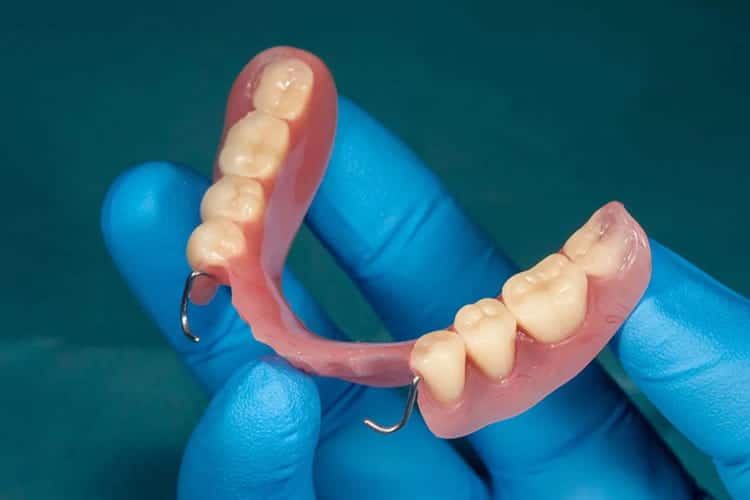
They can be acrylic or metal-based dentures that replace several teeth. You’ll need approval first, but once it’s approved, the CDCP denture coverage helps with the cost. Replacements are usually allowed every 5-8 years, based on the type.
3- Immediate Dentures and Overdentures
Immediate dentures, which you get right after tooth removal, are covered once per jaw. Overdentures (the kind that fits over roots or dental implants) may also be covered, but only if the CDCP approves them first, especially if they involve extra support or special liners.
4- Denture Repairs, Relines, and Rebases
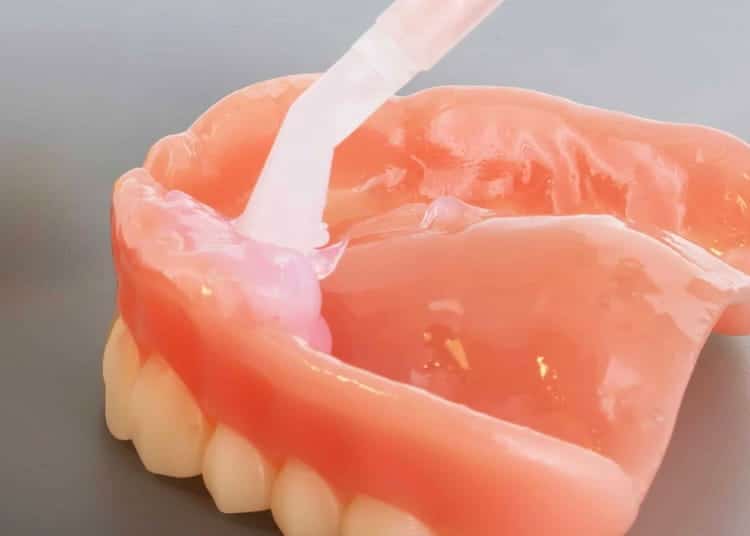
CDCP also helps fix and maintain your dentures. That includes repairs, relines, and adjustments over time, so your dentures last longer. It covers not only small fixes when you first get them, but also future repairs within the plan’s limits.
Excluded Denture Types
One thing to keep in mind: The CDCP does not cover:
- Dentures connected to implants
- Implant-supported dentures (even if removable)
- Implant surgery and related procedures
You will need to pay those costs separately.
Note: If your remaining teeth are badly decayed, dentists usually recommend tooth extractions before you get dentures.
How to Find Providers Offering CDCP Services
Not all dentists or denturists accept the CDCP, so it’s important to check before booking. You can find a provider by:
- Searching Sun Life’s CDCP directory
- Contacting local clinics directly
- Calling Sun Life for assistance
Need a simpler option?
At Walk In Family Dentistry, we accept CDCP patients and can guide you through your coverage and treatment options, so you don’t have to figure it all out alone.
Book your appointment today and get the care you need.
How Much Is CDCP Denture Coverage Based on Income?
Income plays a big role in how much you pay. With CDCP dental coverage, families with lower incomes get more help, while higher-income families share part of the cost. Here’s how it works:
| Adjusted Family Net Income | CDCP Covers | You Pay (Co-payment) |
| Under $70,000 | 100% | 0% |
| $70,000 – $79,999 | 60% | 40% |
| $80,000 – $89,999 | 40% | 60% |
Note: The CDCP uses its own set of fees. If your dentist charges more than that amount, you’ll need to pay the difference too.
Some Denture Services May Need Preauthorization
Some denture treatments need approval from the CDCP before you start. This step is called preauthorization, and it just makes sure everything fits the program rules. Usually, you’ll need it in these cases:
- Complete dentures with soft liners: If your full denture includes a long-term soft liner, you’ll need approval first. This is common for patients who need extra support.
- Overdentures: Dentures that sit over implants or bars always need preauthorization, whether they’re upper, lower, or even placed right after extractions.
- Immediate dentures (initial): If you’re getting dentures on the same day your teeth are removed, you might need approval depending on your situation. Temporary dentures follow the same rule.
- New partial dentures: If it’s your first partial denture under CDCP denture coverage, you’ll need preapproval. Replacements may not need it if enough time has passed.
How to Apply for CDCP
It’s pretty simple to apply as long as you have your info ready. From June 2, 2026, you can apply for the new benefit year in two ways:
Online: Sign in to your My Service Canada Account or go to Canada.ca/dental after June 2. You’ll need your SIN (if you have one), date of birth, address, and your latest tax notice. Just fill out the form and submit.
By Phone: Call Service Canada at 1-833-537-4342 (TTY: 1-833-677-6262). An agent will guide you and collect the same details. If someone applies to you, they need legal permission.
Keep Your Smile Secure
The CDCP denture coverage helps take the pressure off dental costs. If you qualify, the CDCP can cover all or part of your denture care, so you can get what you need without too much financial stress. If you want to reduce your financial stress, you need to find dentists who accept the CDCP. Here at Walk-In Family Dentistry, we offer affordable dental services with our skilled CDCP dentists in North York.
FAQ
What is CDCP dental coverage?
CDCP is a federal program for Canadians with an income under $90K with no private dental insurance. It helps pay for dental care, including removable dentures and repairs.
Who can qualify for CDCP benefits?
You may qualify if you have no private dental coverage and your household income is under $90,000. You also need to file Canadian taxes, be older than 18, and be a Canadian resident.
Are implant-supported dentures covered?
No, anything related to dental implants is not covered. CDCP only includes regular removable dentures and their basic care. You need to pay for Implant surgery and implant dentures separately.
How much do I pay for dentures under CDCP?
It depends on your income. Under $70K = fully covered, $70-80K = you pay 40%, $80-90K = you pay 60%. You may still pay extra if your dentist charges more than the CDCP rate.
How do I find a CDCP dentist?
You can use the Sun Life provider search tool, call their support line, or just ask your local clinic. Most clinics can tell you quickly if they accept CDCP. Just make sure to confirm before your visit.
Still have questions about CDCP denture coverage or your eligibility? Drop your question in the comments, we’re here to help you make the right decision.