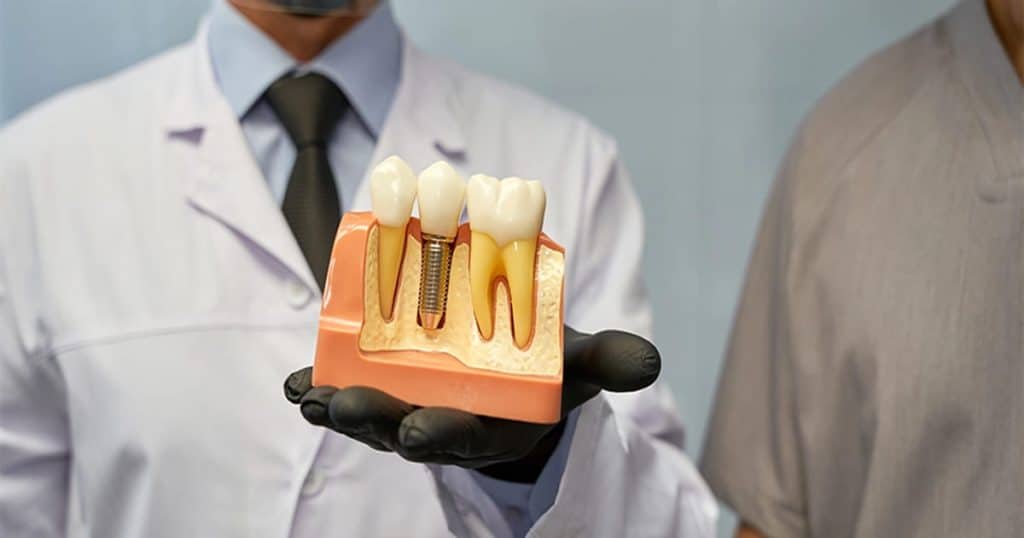
If you are among those who have been planning implant surgery with the hope of receiving government support under the “Canadian Dental Care Plan” (CDCP), I need to tell you very clearly and directly: No, the CDCP does not cover the cost of dental implants in 2026. With this blog post, you can clearly understand CDCP coverage for dental implants and which services are actually covered by the government, as well as what alternative options are available for treatments like implants that fall outside the CDCP dentist coverage.
Does the CDCP Cover Implants?
In 2026, dental implants are generally not covered under the CDCP. According to the official Canadian dental program guidelines, “implants and all implant-related procedures” are entirely excluded from the plan. In other words, neither the implant fixture itself nor the crowns or prosthetics supported by implants are covered under the CDCP.
At present, dental implants are classified as non-essential and elective services. Canadian health policymakers believe that when more affordable alternatives like removable dentures exist to restore chewing function and speech, allocating public funds to expensive implant surgeries is not justified.
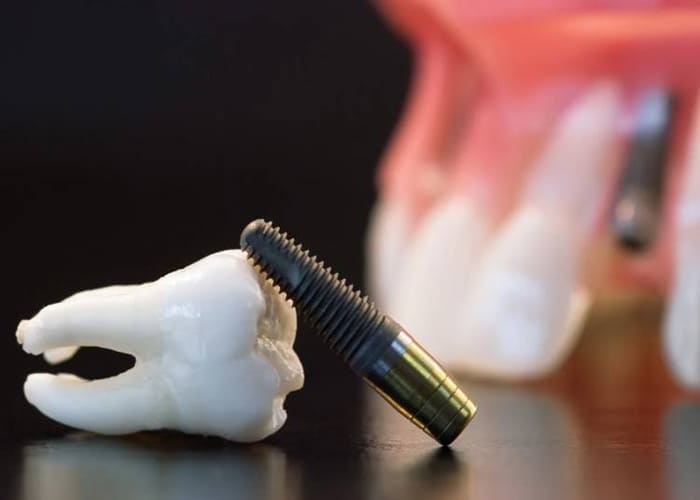
Why Aren’t Implants Covered Under the CDCP?
From a policy perspective, dentures can restore chewing function to an acceptable level at a much lower cost to the government. Therefore, dentures are classified as “essential” treatment, while implants are categorized as “elective” or “cosmetic.” Other key factors behind this decision include:
- High cost: A single dental implant in Canada (2026) starts at around $4,165, exceeding the CDCP’s coverage limits.
- Surgical complexity: Implants involve multiple procedures, possible bone grafting, and long recovery times, which don’t fit the CDCP’s basic care model.
- Resource prioritization: The CDCP focuses on serving the most people, so funding implants could limit access to essential treatments for others.
To better understand this issue, it helps to view it from the perspective of public health planners and CDCP coverage for dental implants. The Canadian government has allocated a budget of $13 billion over five years to cover dental services for approximately 9 million people. If even a portion of this population were to pursue implants as an expensive treatment, the entire budget could be exhausted within the very first months of the program.
Need Help Finding Affordable Dental Solutions?
At Walk In Family Dentistry, we help patients understand their coverage and find cost-effective treatment options tailored to their needs. Whether you’re exploring alternatives to implants or looking to reduce your dental expenses, our team is here to guide you every step of the way.
Can You Get an Exception for Implants?
There is a mechanism called a “Treatment Exception.” Your dentist can argue that, due to extremely severe conditions, no option other than implants remains for you.
However, when looking at the difference between CDCP and private dental insurance, this is where limitations become clear. Implants are on the list of exclusions, and under the strict regulations of Health Canada, excluded services are rarely approved through the exception pathway. Only in cases such as severe trauma (e.g., major jaw injuries), rare congenital abnormalities, or extreme bone loss that completely prevents the use of dentures might your case be reviewed. Even then, approval rates remain very low.
Alternative Services to Implants Covered Under the CDCP in 2026
Since CDCP coverage for dental implants does not include implants, the CDCP in 2026 focuses on alternative methods to restore oral function. These services are divided into two categories: “basic” (Schedule A) and “complex” (Schedule B).
1. Removable Prostheses (Dentures)
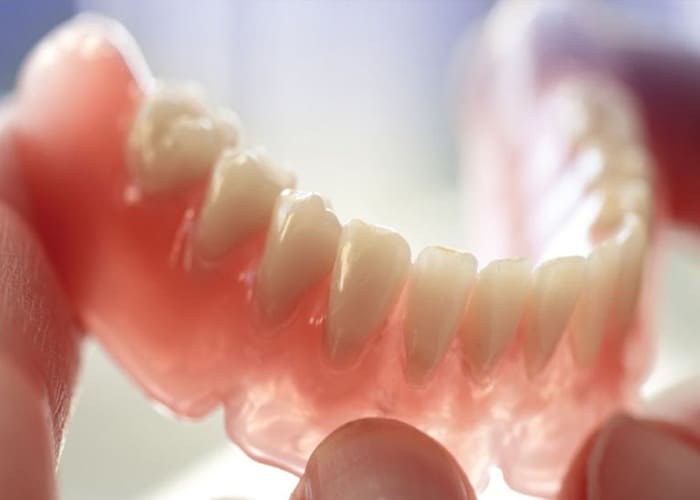
Removable dentures are the government’s primary recommended solution for replacing missing teeth in 2026.
- Complete dentures: These are used to replace all teeth in one jaw. As of April 1, 2026, some immediate dentures no longer require prior approval, allowing for faster treatment.
- Partial dentures: These are used to replace one or several missing teeth. They always require pre-authorization.
- Maintenance and repairs: Services such as relining or rebasing are covered to extend the lifespan of existing dentures and reduce the need for early replacement, which is subject to a 96-month limitation.
Read more: Does CDCP Cover Wisdom Tooth Removal?
2. Dental Crowns as a Preservation Alternative
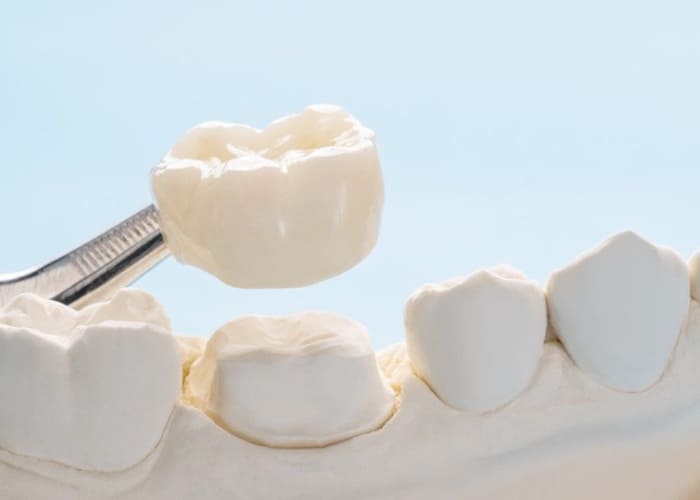
Another important point is that instead of replacing teeth with implants, the CDCP emphasizes preserving natural teeth through dental crowns.
- Coverage condition: A crown is only covered when the tooth is so severely damaged that it cannot be restored with standard fillings such as amalgam or composite.
- Limitations: A maximum of four crown units is allowed per patient every 120 months, which equals 10 years. For any specific tooth, coverage is limited to once every 96 months, which equals 8 years.
Keep in mind that all crowns and related posts require approval from Sun Life before treatment begins.
3. Using University Clinics and Financing Companies
If you still insist on getting implants despite the above limitations, one option is to visit dental school clinics, where services are offered at significantly lower prices.
Universities such as Toronto, British Columbia, Alberta, and Dalhousie provide these services through specialist students under faculty supervision, often at competitive rates.
You can also use financing companies to spread the cost of implants into manageable monthly payments, for example, around $250 per month, sometimes even interest-free.
Seeking More Affordable Dental Solutions?
As you have seen, CDCP coverage for dental implants is not possible. My recommendation is to use the CDCP for check-ups, cleanings, and restoring your remaining teeth. If necessary, consider covered removable dentures to prevent further deterioration. If you still want implants, you can explore options such as installment payment plans or university clinics. Your oral health is an investment.
If you’re seeking more affordable cosmetic dental options or want to reduce the overall cost of treatment, you can visit our page on Cosmetic Dentist North York to discover solutions that better fit your budget and needs.
FAQ
Are implant-supported crowns covered?
No. Any crown that is supported by an implant is explicitly excluded from the plan. Crowns are only covered for natural teeth and only after medical necessity is approved.
Are implant-supported dentures (overdentures) covered?
No. While the CDCP may cover tissue-supported overdentures, if the prosthesis requires attachment to implants, the implant component and its attachments are not covered.
Are dental bridges covered?
In 2026, fixed bridges and other fixed prosthodontic treatments remain on the exclusion list. The government considers removable dentures to be a more cost-effective alternative.
Is the CDCP available to all age groups?
Yes. As of May 2025, all eligible age groups in Canada can apply for the plan. It does not matter whether you are 20 or 80 years old. If you do not have private insurance and your income is below $90,000, you can benefit from it.
Is a dental exam for implant assessment covered under the CDCP?
Yes. Initial dental exams and assessments are usually covered. However, the implant treatment itself is not.
If I already have implants, are maintenance services covered?
In most cases, services directly related to implants are not covered. However, some general oral care services may be covered separately.
Could implants be added to CDCP coverage in the future?
At present, no such plan has been announced. If any changes occur, they will likely be gradual and come with significant limitations.
Still have questions about CDCP coverage for dental implants or your treatment options? Drop your question in the comments. We’re here to help you make the best decision for your smile.