
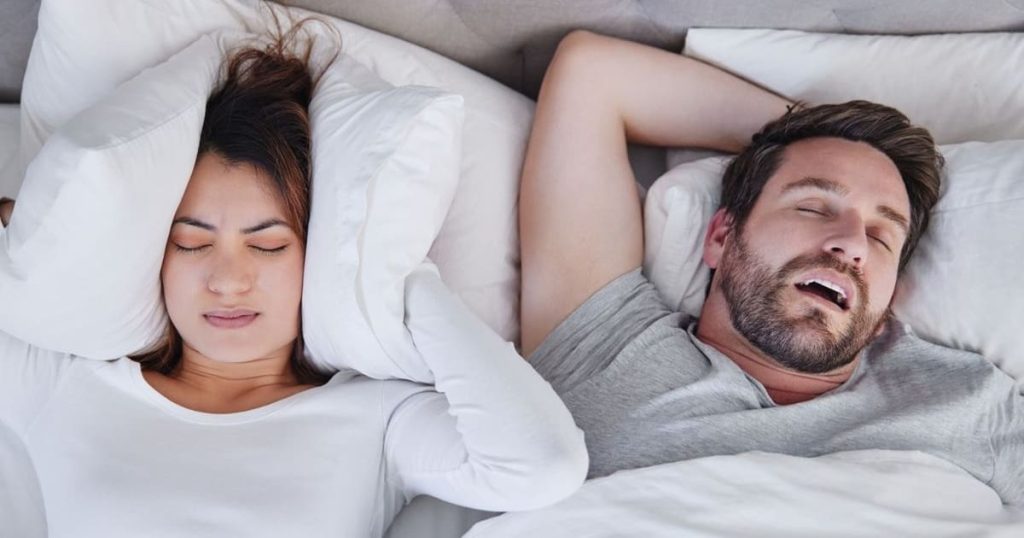
Sleep apnea is one of the common sleep disorders in which a person’s breathing repeatedly stops for short periods during sleep, and over time, it can affect sleep quality and overall health. Dentistry plays an important role in sleep apnea treatment, and by using special oral appliances made by a dentist, it can help keep the airway open during sleep.
Below, we explain in simple language what sleep apnea is and how a dentist plays a role in controlling and treating it.
What Is Sleep Apnea?
It is a breathing disorder during sleep that causes airflow to stop partially or completely for a short period of time. As a result, the body’s oxygen level decreases, and the brain briefly wakes the person up to restart breathing and prevent danger. This may happen many times throughout the night without the person being fully aware of it.
Read more about: “Tooth Pain at Night.”
Different Forms of Sleep Apnea
This condition appears in several different forms:
- Obstructive apnea: The most common type of apnea in which the airway becomes narrowed or blocked during sleep due to muscle relaxation.
- Central apnea: A type in which the brain does not properly send breathing signals, causing breathing to stop temporarily.
- Mixed sleep apnea: A condition in which both airway obstruction and breathing signal problems from the brain occur at the same time.
Need Help with Sleep Apnea Treatment?
At Walk In Family Dentistry, we provide personalized assessments and treatment options, including oral appliance therapy, to help you breathe better and sleep more comfortably.
Contact us now to book your consultation and learn more about Sleep Apnea Treatment options tailored to your needs.
What Are the Symptoms of Sleep Apnea?
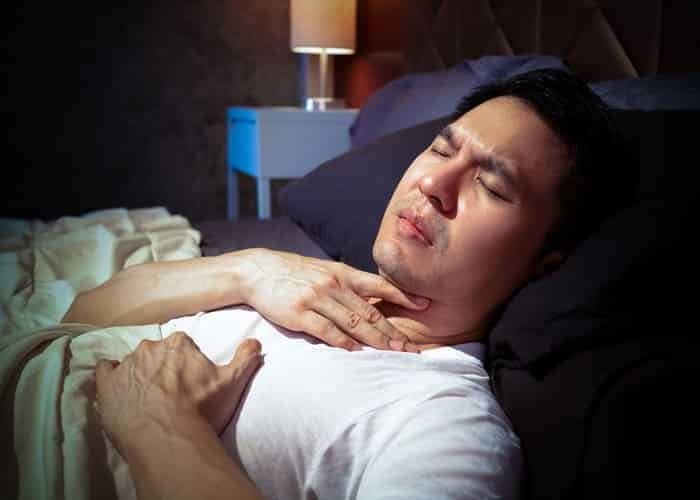
The symptoms of sleep apnea usually appear both during sleep and throughout the day. During the night, these symptoms include:
- Loud snoring
- Pauses in breathing
- Dry mouth
- Sore throat
- Sometimes waking up with a choking sensation or gasping for air
During the day, the person may also feel tired and sleepy, and their concentration may decrease.
You may want to know: Why a Dental Checkup is Important
How Is Sleep Apnea Diagnosed?
To diagnose sleep apnea, a sleep test (polysomnography) is used, in which breathing status, blood oxygen level, and sleep quality are monitored throughout the night. In the end, sleep apnea is classified into three categories, mild, moderate, and severe, based on the number of breathing interruptions per hour of sleep. This step is necessary for sleep apnea treatment.
Sleep Apnea Treatment Methods
| Treatment Method | How It Works | Advantages | Disadvantages | Suitable For |
| CPAP | Moves the jaw forward | Most effective, fast relief | Hard to use, dry mouth/nose | Mild to severe |
| Oral Appliances | Stimulates the tongue nerve | Easy, portable | Less effective in severe cases | Mild to moderate |
| Nerve Stimulation | Fixes the airway structure | Works in selected cases | Expensive, surgical | Moderate to severe |
| Surgery | Severe/resistant cases | Long-term result | Invasive, costly | Severe / resistant cases |
Sleep apnea treatment varies depending on the severity of the condition, and its goal is to reduce breathing interruptions and improve sleep quality. Different methods are available to control this condition, which are introduced below.
1- CPAP Device in Sleep Apnea Treatment
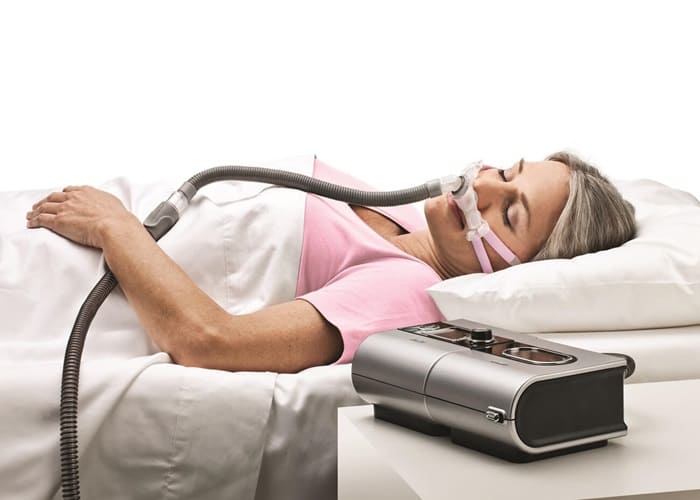
The CPAP device uses a mask to deliver gentle air into the nose or mouth, helping keep the airway open during sleep and preventing it from collapsing. This method is the most effective treatment for sleep apnea and reduces snoring by preventing breathing interruptions.
2- Oral Appliances in Sleep Apnea Treatment
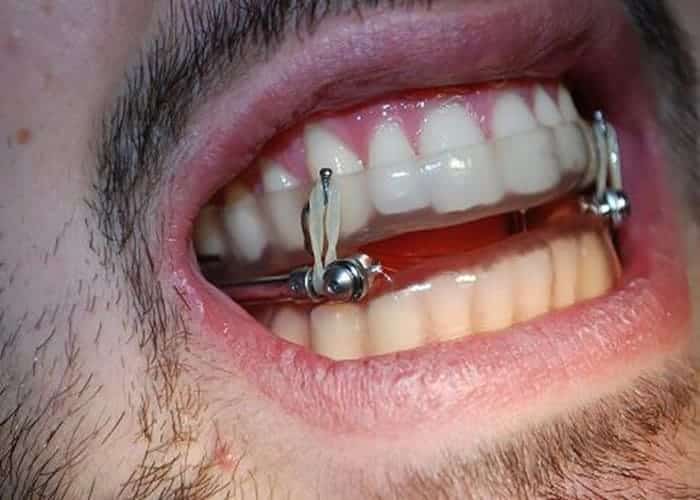
Oral appliances are devices made by a dentist that move the lower jaw forward to enlarge the space behind the throat so the airway remains open during sleep and does not become blocked. This method is mostly used for mild to moderate apnea and is suitable for people who cannot use a CPAP device.
3- Sleep Apnea Treatment with Tongue Nerve Stimulation
In this method, a small device is placed inside the body that stimulates the tongue nerve during sleep so the tongue does not fall backward and block the airway. This method is used for people with moderate to severe apnea who have not had success with methods such as CPAP or cannot use it.
4- Surgery in Sleep Apnea Treatment
In some patients, if the cause of apnea is related to structural problems in the airway or if other treatments are not effective, the following surgeries may help:
- Tonsil and adenoid removal (in children): A common treatment in children
- Soft palate and uvula surgery: Opens the airway in adults
- Nose or tongue surgery: Removes partial obstructions
- Weight loss surgery: Helps improve the condition in people with severe obesity
Care After Sleep Apnea Treatment
After starting treatment, regular follow-up is necessary to monitor symptoms and ensure treatment effectiveness. At this stage, observing the following points is very important:
- Checking the amount of CPAP or oral appliance use
- Re-adjusting the device or treatment method if symptoms remain
- Evaluating snoring, daytime sleepiness, and sleep quality
- Monitoring blood pressure and possible complications
- Weight loss and exercise
- Quitting smoking and alcohol
- Regular sleep and avoiding sleeping on the back
Conclusion
Sleep apnea is a breathing disorder that can cause daytime fatigue and increase the risk of heart disease. Depending on the individual’s condition, treatment includes lifestyle modification, CPAP, oral appliances, and in some cases, surgery. Early diagnosis and continuation of treatment play the most important role in controlling this condition.
If you are experiencing symptoms of sleep apnea or suspect you may need treatment, early evaluation is important. Our dental team can help assess your condition and guide you toward the most suitable treatment options, including oral appliance therapy. Contact us now for more information.
FAQ
1. What is the best treatment for sleep apnea?
The best treatment depends on the severity of the condition, but CPAP is the most effective method in moderate to severe cases, while oral appliances or lifestyle changes are used in milder cases.
2. Does everyone who snores have sleep apnea?
No. Snoring alone is not a sign of sleep apnea. However, if it is accompanied by breathing pauses and daytime sleepiness, sleep apnea may be present and should be evaluated.
3. Who is more at risk for sleep apnea?
People who are overweight, men, older adults, and those with thicker necks are at greater risk of developing sleep apnea.
4. Is sleep apnea dangerous?
Yes. If left untreated, it can lead to high blood pressure, heart disease, and stroke.
5. Does sleep apnea occur during pregnancy, and is it dangerous?
Yes. During pregnancy, due to hormonal changes, weight gain, and fluid retention, the likelihood of developing or worsening sleep apnea increases, and if left untreated, it may be associated with an increased risk of pregnancy-related high blood pressure, gestational diabetes, and fetal growth problems.
Have you or someone you know experienced symptoms of sleep apnea? Share your thoughts or questions in the comments below; your experience might help others better understand sleep apnea treatment.
