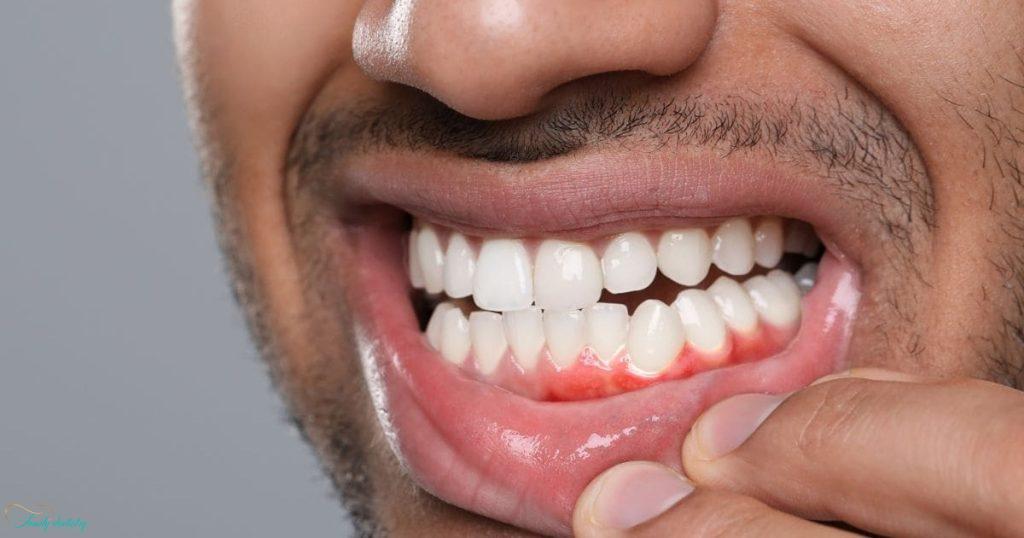
If you are here, you probably just had your tooth pulled, and with a swollen gum and a protruding cheek, you are searching for “why my gums are swollen and red after tooth extraction, is it normal?” Let me tell you this: yes, it is normal, and it should be like that, so don’t worry! However, if more than 3 days have passed since the tooth extraction and the swelling has not changed, you should see your doctor. In this post, we will tell you the reason for the swollen gums after tooth extraction, the difference between normal and abnormal swelling, and ways to reduce it.
Why Do Gums Swell After Tooth Extraction?
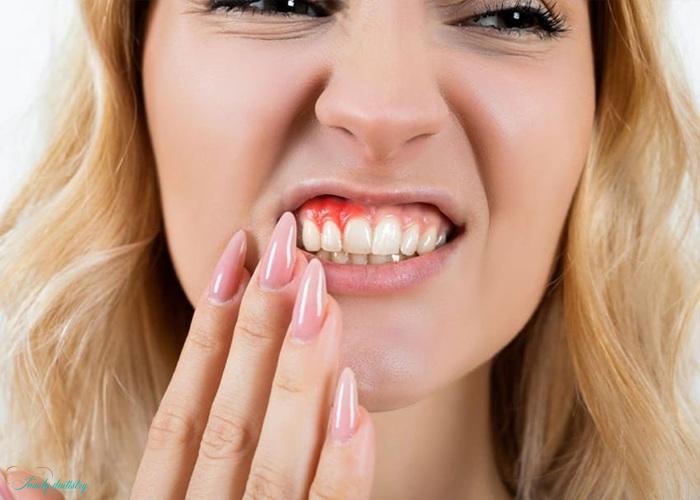
If your gums don’t swell at all after tooth extraction, it’s even stranger than if they do! Why? When we extract your tooth in the clinic, we essentially create an open wound in your gum tissue and jawbone. Your body immediately enters the inflammatory phase of healing; blood vessels around the surgical site dilate to bring white blood cells and tissue repair materials to the wound to start the healing process.
This accumulation of fluid and increased blood flow is what you see as swollen gums after tooth extraction and redness. So, first understand that this inflammation is a sign that your body’s immune system is working to heal the wound.
How Long Does Gum Swelling Last After a Tooth Extraction?
In general, swollen gums after tooth extraction usually peak between 2 and 3 days and then begin to subside. For most people, the swelling usually goes away completely within 7 to 10 days.
However, if you had more complex dental surgery, such as an impacted wisdom tooth extraction, this period can be slightly longer, reaching 10 to 14 days. Other factors also play a role in how quickly you recover, such as your age, the state of your immune system, following post-operative instructions, and even smoking.
If swollen gums after tooth extraction persist or worsen after a single extraction, you should definitely follow up.
How Much Swelling After Tooth Extraction is Normal?
The severity of swollen gums after tooth extraction is not the same for everyone and depends on several factors, such as the hardness of the tooth root and your own physical characteristics. To make things easier for you, I have summarized the differences between normal and abnormal swelling according to Dr. Ardeshir Ranjbari in the table below:
| Feature | Normal Swelling (Healing Process) | Abnormal Swelling (Needs Attention) |
| Severity & Spread | Limited to the area around the extraction site and same-side cheek | Severe, spreading toward the throat or under the eye |
| Progression | Peaks within the first 48 hours, then gradually decreases | Worsens after day 3 instead of improving |
| Pain Level | Mild to moderate pain that responds to painkillers | Severe, throbbing, and persistent pain |
| Associated Symptoms | Mild taste of blood in the first hours | Fever, pus discharge, very bad breath |
| Swallowing & Breathing | Normal swallowing without major issues | Difficulty swallowing food or breathing |
If you see that your swelling is following a natural pattern, there’s no need to worry. Your body is proceeding according to plan.
Danger Signs You Shouldn’t Ignore in Swollen Gums After Tooth Extraction

While swelling is perfectly normal in the first few days, you should contact your dentist immediately if you have any of the following symptoms. These could be signs of infection or other problems:
- A fever over 38 degrees Celsius that doesn’t go away
- Swelling that gets worse after the third or fourth day instead of decreasing
- Severe pain that isn’t controlled by painkillers and gets worse at night
- A persistent bad smell or taste in your mouth
- Purulent discharge from the wound
- Difficulty opening your mouth or swallowing
- Swelling that spreads to your neck or eye
- Heavy bleeding that doesn’t stop after 24 hours
If you experience any of these symptoms, don’t wait for it to heal on its own. These could be signs of infection or even a condition called a “dry socket” that needs immediate attention. Here’s what a dry socket is.
Is Your Swelling Getting Worse Instead of Better?
Swelling that continues to increase after the first few days, especially with severe pain, fever, or pus, can point to a complication. At Walk In Family Dentistry, we can examine the extraction site and help determine what is causing the problem.
Contact us now to book your consultation.
Causes of Abnormal Swollen Gums After Tooth Extraction
Sometimes, swelling of the gums goes beyond normal, and there are specific reasons behind it. Let’s review the reasons we saw at Walk In Family Dentistry:
1. Bacterial infection
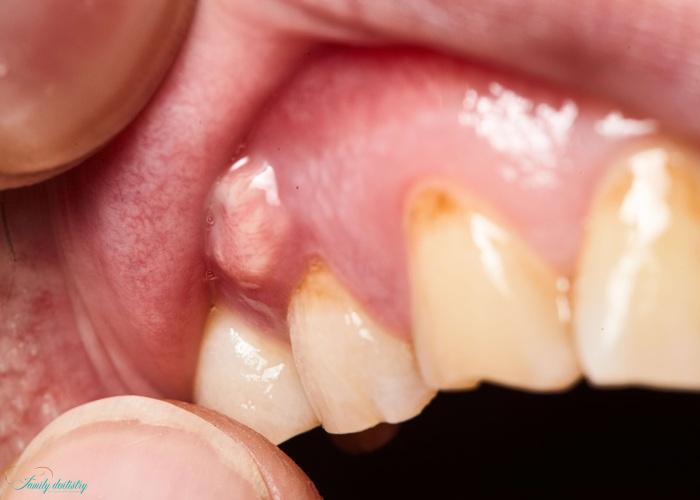
If bacteria enter the wound, the body will show a more intense inflammatory response. This is usually accompanied by fever, throbbing pain, and pus discharge.
2. Dry socket
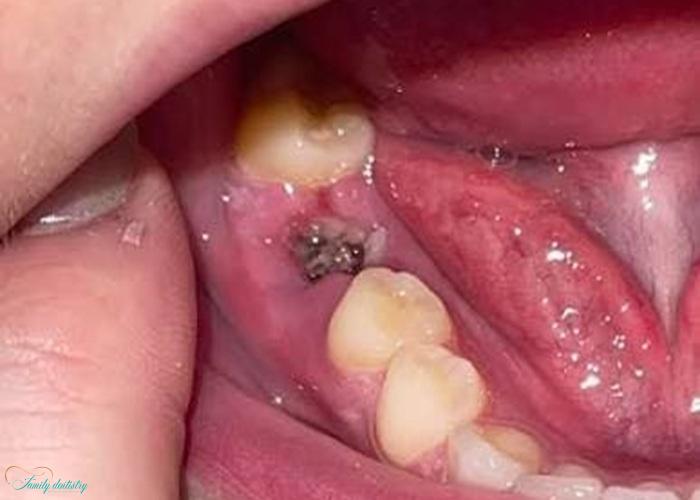
This condition occurs when the blood clot that should cover the wound breaks down prematurely or does not form at all. This exposes the underlying bone and nerves to the air, causing severe pain that usually begins on the second or third day.
3. Remaining tooth or foreign body debris
Sometimes small pieces of tooth or bone can remain in the wound, causing constant irritation of the tissue. This can prolong the swelling and slow the healing process.
4. Poor oral hygiene
If the wound is not kept clean, bacteria and food particles can collect and aggravate the inflammation. This can lead to infection and abnormal swelling.
5. Smoking or using a straw

The suction created when smoking or drinking through a straw can dislodge the blood clot, increasing the risk of infection and dry socket.
6. Weakened immune system or underlying medical conditions
People with uncontrolled diabetes or a weakened immune system tend to have slower healing times and are more susceptible to infection.
How to Reduce Swollen Gums After Tooth Extraction at Home?
The good news is that there are many things you can do at home to manage swelling naturally. Let’s review some of the most effective methods suggested by Dr. Vida Siar:
- Cold compress: For the first 24 hours, wrap an ice pack in a cloth and place it on the cheek on the same side for about 15 to 20 minutes at a time. This will help constrict the blood vessels and reduce swelling.
- Warm compress after 24 hours: From the second day onwards, a warm compress can improve blood flow and help speed up healing.
- Rinse with lukewarm salt water: From the second day onwards, gently rinse your mouth with lukewarm salt water several times a day. This will reduce bacteria and help clean the wound.
- Get plenty of rest and keep your head elevated: When you sleep, keep your head slightly higher than your body; This will prevent blood from pooling in the facial area.
- Take prescribed painkillers: Take anti-inflammatory or analgesic medications as directed by your dentist. These medications will both relieve pain and help reduce inflammation.
- Practice gentle oral hygiene: Brush your teeth carefully, avoiding direct contact with the wound, but don’t forget to keep your entire mouth clean.
Read more: Extreme Tooth Pain at Night Keeping You Awake? Read This First
When Should You See a Dentist for Swollen Gums After Tooth Extraction?

As mentioned earlier, if the swelling increases after the third or fourth day instead of decreasing, or is accompanied by fever, severe pain, and pus discharge, you should contact your dentist immediately. Also, if you feel like you can’t open your mouth fully or have difficulty swallowing, this could be a sign of the infection spreading to surrounding tissues, which needs immediate attention.
What Makes Swollen Gums After Tooth Extraction Worse?
As important as knowing what to do, it’s also important to know what not to do when facing swollen gums after tooth extraction:
- Smoking or using tobacco products, at least for 48 to 72 hours after surgery
- Drinking through a straw, as the suction can dislodge the blood clot
- Eating hot, spicy, or very hard foods, which can irritate the wound site
- Touching or pressing the wound site with your tongue or fingers
- Strenuous exercise and strenuous physical activity in the first few days
- Drinking alcohol, which can interfere with prescription medications and slow down the healing process
- Ignoring your dentist’s instructions, even if you think you’re fine
If you follow these tips, your chances of complications will be significantly reduced.
Read more: Does CDCP Cover Wisdom Tooth Removal?
Wrap Up
As you can see, swollen gums after tooth extraction are a natural reaction in most cases and will decrease significantly within a week. By following the tips we have mentioned in this article, you can get through this period more easily. But always listen to your body. If the swelling increases instead of decreasing, is accompanied by fever or severe pain, or you have symptoms such as purulent discharge and bad breath, do not wait any longer and visit a Emergency Dentist. Early diagnosis and treatment are always better than taking risks.
FAQ
1. Is gum swelling after tooth extraction always a sign of infection?
Not at all. Swelling in the first few days is completely normal and part of the healing process. It only becomes a concern when it is accompanied by fever, severe pain, or purulent discharge.
2. Can I use over-the-counter anti-inflammatory drugs to reduce swelling?
Yes, but it is better to consult your dentist first, especially if you are taking other medications or have an underlying condition.
3. How many days after a tooth extraction should we not brush our teeth?
You should not brush your teeth for the first 24 hours. From the second day, you can brush your other teeth gently, but do not rub the toothbrush bristles on the wound or swollen gums.
4. Is facial bruising with swollen gums dangerous?
No, bruising on the cheek or under the jaw is caused by capillary leakage in the soft tissues and is considered completely harmless. This bruising will change color and absorb on its own within a few days.
5. Is a warm compress better or a cold one?
Use a cold compress for the first 24 hours to control swelling; after that, a warm compress can help heal faster.
Have you experienced swollen gums after tooth extraction? Tell us how long your swelling lasted or what helped you manage it in the comments below.