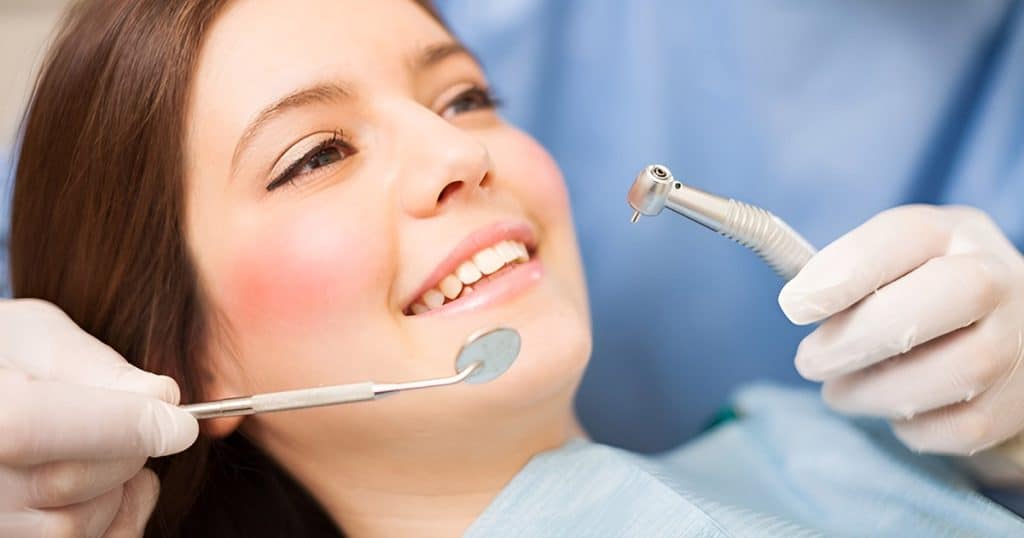
You have probably heard frightening statements about dental from friends, family, or even social media. Statements like: “Don’t get scaling, it will make your teeth thin!” or “Someone had dental and all their teeth became loose!” These statements and beliefs have been repeated so much that they have become a kind of “local myth” in oral health. But in this article, we aim to once and for all examine these myths about dental cleanings and tell you what really happens in the dentist’s office.
Myth 1: Dental cleaning scrapes the tooth enamel and makes it thin!
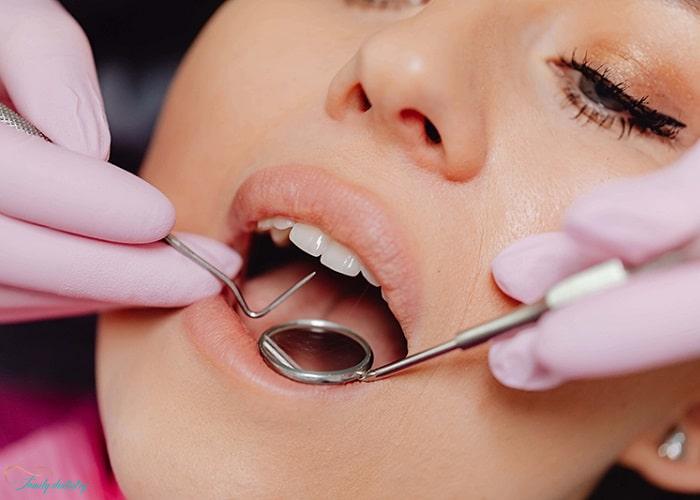
This myth about dental cleanings is perhaps the most common belief, and many people think the dentist removes a layer of the tooth with sharp tools. Some even worry that procedures like cleaning could affect cosmetic work such as whiten fillings on front teeth, making them look uneven or damaged.
What is the truth?
Tooth enamel is the hardest substance in the body, even stronger than bone. But how is tartar removed? Today, dentists use ultrasonic devices that have no sharp or cutting edges. Their function is as follows:
- Micro-vibrations: The tip of the device hits the tartar with very small, high-frequency vibrations.
- Water spray: At the same time, water is sprayed under high pressure to cool the device and wash away the removed deposits.
Therefore, what is removed in dental is the “tartar,” not your tooth structure. The ultrasonic device cannot scrape healthy enamel.
Need a Professional Dental Checkup or Cleaning?
If you still have concerns about Myths About Dental Cleanings or are unsure whether it’s time for your next visit, we are here to help. At Walk In Family Dentistry, we provide gentle and professional dental cleaning services designed to keep your teeth and gums healthy and your smile bright.
Contact us now to book your consultation.
Myth 2: Dental cleaning causes teeth to become loose!
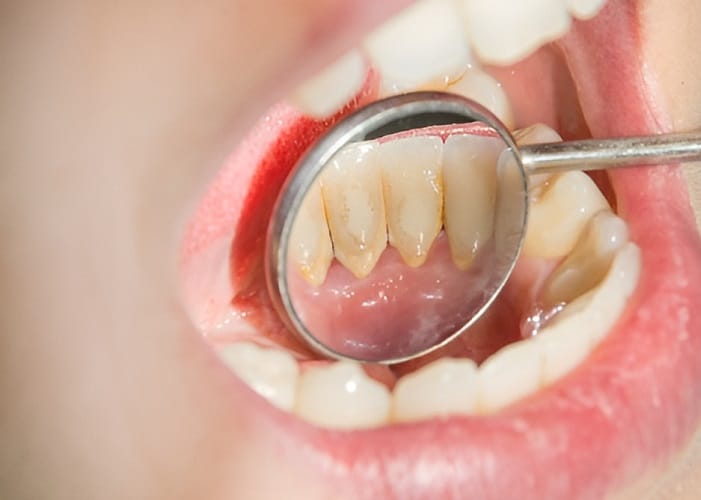
“My teeth were completely firm, but after dental I feel they have become loose!” This false belief is one of the reasons people avoid scaling, but there is a hidden truth behind this myths about dental cleanings.
What is the truth?
When you do not visit a dentist for a long time, plaque combines with minerals in saliva and turns into tartar (calculus). This tartar accumulates at the gum line and acts like a “false support,” temporarily holding damaged teeth together.
When the dentist removes this contaminated layer, that support disappears and the teeth may temporarily feel loose. In reality, the main problem was previous damage to the gums and bone. If dental is not done, this damage continues and teeth may even be lost without tartar.
In addition, long-term buildup from coffee and tea stains on teeth can make this condition more noticeable because it often indicates heavy plaque accumulation.
Myth 3: Dental cleaning is extremely painful and unbearable!
Fear of pain is completely natural and many people avoid visiting the dentist for years and imagine dental as a form of torture. But this is a common myths about dental cleanings.
What is the truth?
dental is not an exciting experience but it is usually not painful or intolerable either. The level of sensation depends on two factors:
- Amount of tartar: If you go regularly (every 6 months to a year), the procedure is quick and almost without any noticeable feeling. But with heavy buildup, it may take longer and feel more sensitive.
- Gum condition: Inflamed and damaged gums are more sensitive and may react more.
The sensation of dental is more like tickling, vibration, or sensitivity to cold. If someone has a low pain threshold, the dentist can use local anesthesia to make the procedure completely painless.
Myth 4: I brush and floss every day, so I don’t need Scaling!
If you maintain good oral hygiene, that is great! But does that completely eliminate the need for scaling? The “yes” answer to this question is a common myths about dental cleanings.
What is the truth?
Even with careful brushing, some areas of the mouth such as behind the lower front teeth or wisdom teeth are difficult to clean properly, and some dental plaque still remains. This plaque is a soft bacterial layer that if left for 24 to 48 hours and combined with minerals in saliva turns into tartar (calculus).
This tartar cannot be removed with brushing or flossing anymore, and removing these hard deposits requires specialized dental tools. Therefore, brushing and flossing reduce the rate of tartar formation but cannot eliminate it completely.
Read more about: Surprising Facts about Brushing Teeth Before Breakfast
Myth 5: Dental cleaning makes teeth permanently sensitive!
Some people say that after dental their teeth become sensitive to cold water and assume that dental has damaged their teeth.
What is the truth?
This sensitivity is real, but the reason is not damage to the teeth. Thick tartar around the teeth acts like an insulator and covers the root of the tooth from cold and heat. When this layer is removed, the teeth and gums become more sensitive to temperature changes for a while.
In addition, the gums need a few days to heal after scaling. This sensitivity is usually temporary and goes away within a few days to a maximum of two weeks.
Myth 6: Dental cleaning is the same as teeth whitening (bleaching)!
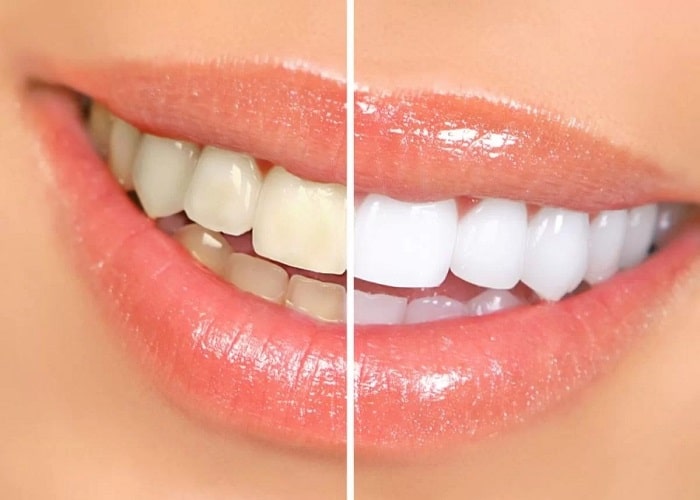
This is a very common misunderstanding and myths about dental cleanings. Many people expect their teeth to become completely white and bright after scaling, and when they do not see a big change, they feel disappointed.
What is the truth?
Dental cleaning and teeth whitening (bleaching) are two completely different treatments. Cleaning is a hygiene procedure to remove tartar, bacteria, and surface stains. In contrast, bleaching is a cosmetic treatment that falls under aesthetic dentistry, that uses special gels to lighten the internal color of the teeth.
Cleaning can remove surface stains and yellow or brown tartar, making teeth look cleaner and brighter. However, if the natural color of the teeth is genetically yellow or darker, dental cannot make them white, and bleaching is needed for that.
What Actually Happens During a Dental Cleaning?
When you sit on the dental chair, the dental process takes place in four simple and clear steps:
- The dentist first uses a small mirror to perform an initial examination of your mouth and assess the health of your gums.
- Next, an ultrasonic device is used to remove hardened tartar and bacterial deposits, thoroughly cleaning the teeth.
- Then, a gentle rotating brush and special polishing paste are used to polish the teeth, removing surface stains from tea and coffee and making the tooth surface smooth.
- Finally, if needed, a fluoride gel is applied to protect the enamel and help prevent tooth decay.
Compassionate Care for Every Smile
We hope this article about common myths about dental cleanings has been able to answer all your questions and concerns and turn that old fear into a firm decision for better care. Remember, your dentist is your friend and their goal is to preserve each and every one of your beautiful teeth for a lifetime of good health.
If you are looking for professional dental cleanings or have concerns about your oral health, our team is here to guide you every step of the way. We offer refugee dental services in North York for patients who need compassionate and accessible dental care in a supportive environment.
FAQ
1. Can dental cleaning reduce bad breath?
Yes. In many cases, bad breath is caused by the buildup of plaque, tartar, and bacteria. Professional cleaning removes these deposits and can greatly improve breath.
2. Is dental cleaning dangerous for sensitive teeth?
No. If you have sensitive teeth, you may feel some temporary sensitivity after scaling, but the treatment itself is safe and can even help prevent more serious oral problems.
3. Do children also need dental and professional dental cleaning?
Yes. Regular dental cleaning in children helps prevent cavities and helps them learn proper oral care habits from an early age.
4. Can dental cleaning prevent gum disease?
Yes. One of the most important benefits of dental is that it removes plaque and tartar before they cause inflammation and gum disease, helping maintain healthy gums.
5. What should be avoided after scaling?
After scaling, especially if fluoride has been used, it is better to avoid very hot drinks, hard foods, and beverages like coffee that may stain the teeth for a while.
Have you ever believed any of these myths about dental cleanings before reading this article? Share your thoughts or experiences in the comments below, we would love to hear from you and answer your questions!