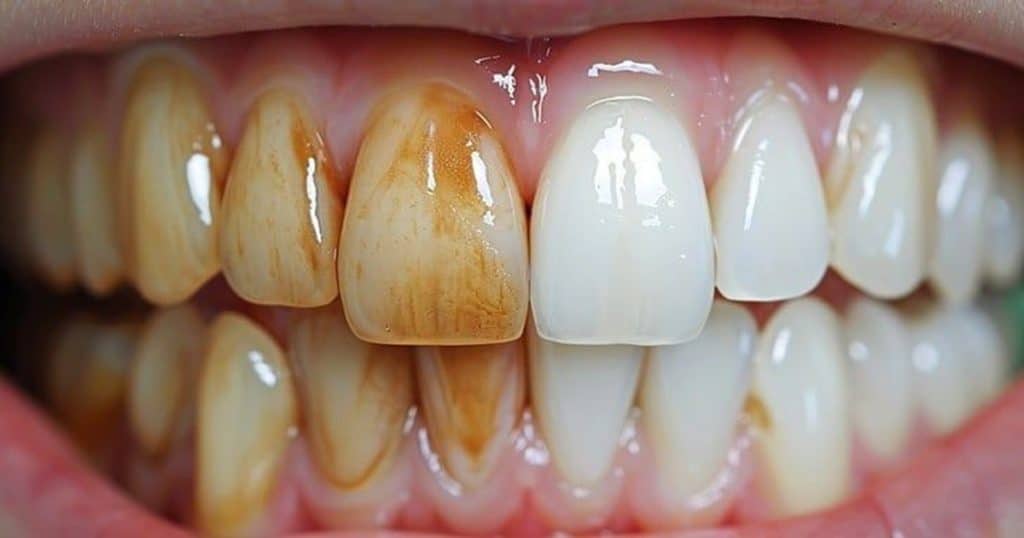
When teeth start to turn yellow or become stained, our smile loses its usual cheerful appearance. Many people assume that tooth discoloration is purely a cosmetic issue and only needs teeth whitening, while in some cases, it can indicate underlying oral health problems. Beverages such as tea and coffee, which many of us cannot imagine our day without, contain pigments and chemical compounds that gradually discolor teeth. If not managed in time, they may also contribute to dental damage.
In this article, we will explain why coffee and tea stains on teeth occur, what factors make them worse, and how they can be prevented or reduced.
Causes of Coffee and Tea Stains on Teeth
The primary cause of coffee and tea stains is tannins. These compounds cause dark pigments to adhere to tooth enamel, creating stains that range from light yellow to brown. In addition, the natural acids found in these drinks slightly soften and roughen the enamel surface, making it easier for pigments to attach.
As a result, even drinking one cup of tea or coffee per day can eventually lead to tooth discoloration. In some cases, these stains are only cosmetic, while in others, they may indicate decay or structural dental problems.
Did you just spot black spots on your teeth? Here’s why they actually appear and how you can treat them.
Differences Between Coffee and Tea Stains on Teeth
Both tea and coffee stain teeth, but the severity depends on the type of beverage and how it is prepared. Black tea contains higher levels of tannins and theaflavins, which makes it more likely to cause darker and more persistent stains. Green tea can also stain teeth, but these stains are usually lighter or grayish in tone.

In coffee, compounds such as melanoidins and chlorogenic acid contribute to discoloration, causing teeth to shift from light yellow to dark brown.
Read more: “Whiten Fillings on Front Teeth: Causes, Solutions, and Expert Tips”
Simple Ways to Prevent Tooth Stains
Several simple habits can significantly reduce the risk of staining:
- Regular brushing: Brushing at least twice a day prevents pigments from settling on the teeth.
- Daily flossing: Flossing removes food particles between teeth, reducing staining buildup.
- Regular dental visits: Professional checkups and scaling remove stains before they become severe.
- Rinsing after drinking tea or coffee: Rinsing with water reduces pigment residue.
- Drinking enough water: Increased saliva production helps naturally cleanse teeth.
- Avoiding smoking and hookah: Tobacco causes darker and more permanent stains than tea or coffee.
- Avoiding tea and coffee before bed: Reduced saliva at night allows pigments to settle more easily.
- Using a straw: This minimizes contact between the beverage and your teeth.
- Eating crunchy fruits and vegetables: Apples, carrots, and celery, gently cleans the tooth surface.
- Reducing colored and sugary foods: Sodas and artificial colors accelerate staining.
Don’t know how often you should replace your toothbrush? Visit the link, and we will talk more about toothbrush replacement frequency.
Home Remedies to Reduce Tooth Yellowness and Stains
If stains are superficial, they may be reduced using home remedies. These methods are generally safe, but caution is advised, and consulting a dentist is recommended when necessary.
Concerned About Coffee and Tea Stains on Your Teeth?
At Walk In Family Dentistry, we provide professional cleanings, whitening treatments, and cosmetic dental solutions to safely remove coffee and tea stains on teeth and protect your oral health.
Contact us today to book your consultation and take the next step toward a brighter, healthier smile.
Whitening Toothpaste and Mouthwash
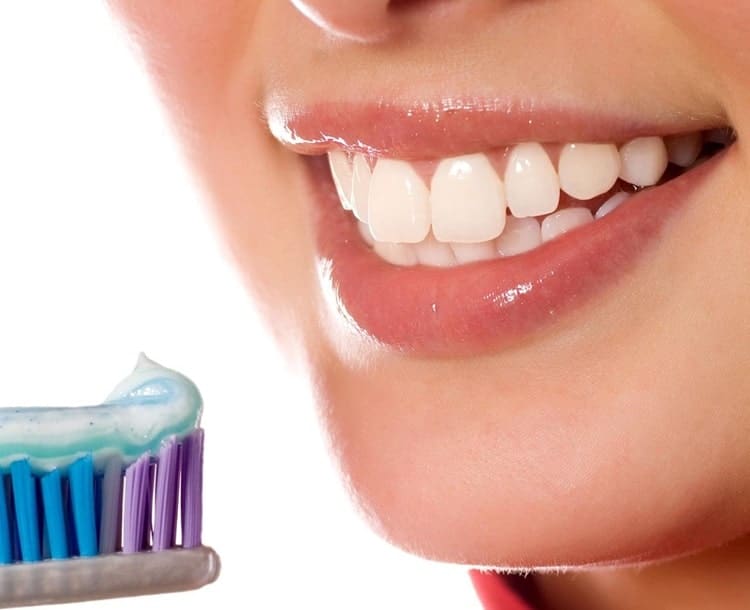
With regular use, whitening toothpastes and mouthwashes can gradually reduce surface stains caused by tea, coffee, smoking, and colored foods. These products usually contain mild abrasives or whitening agents that are safe for enamel.
Baking Soda (Sodium Bicarbonate)
Mixing a small amount of baking soda with water and gently brushing can reduce surface stains. However, long-term or frequent use is not recommended, as it may thin tooth enamel and increase sensitivity.
Want to find out what the common causes of tooth discoloration are? We will tell you why it happens and how to treat them.
Weak Hydrogen Peroxide (3%)
Hydrogen peroxide can be mixed with a small amount of baking soda and applied as a paste. While effective, this method should not be used for more than one week.
Coconut or Olive Oil (Oil Pulling)
Swishing coconut or olive oil in the mouth for 10–15 minutes may reduce plaque and support gum health. Although it does not directly whiten teeth, it can improve overall brightness by reducing surface buildup.
Whitening Products
Whitening strips, gels, and toothpastes containing carbamide peroxide or hydrogen peroxide can reduce stains. Individuals with sensitive teeth should consult a dentist before use.
Abrasive or Acidic Natural Remedies
Some natural methods, such as mashed strawberries with baking soda, rubbing teeth with a banana peel, or using lemon with baking soda, are often suggested. However, acidic substances like lemon can erode enamel and increase sensitivity if used frequently. These methods should be limited and used with caution.
When to See a Dentist
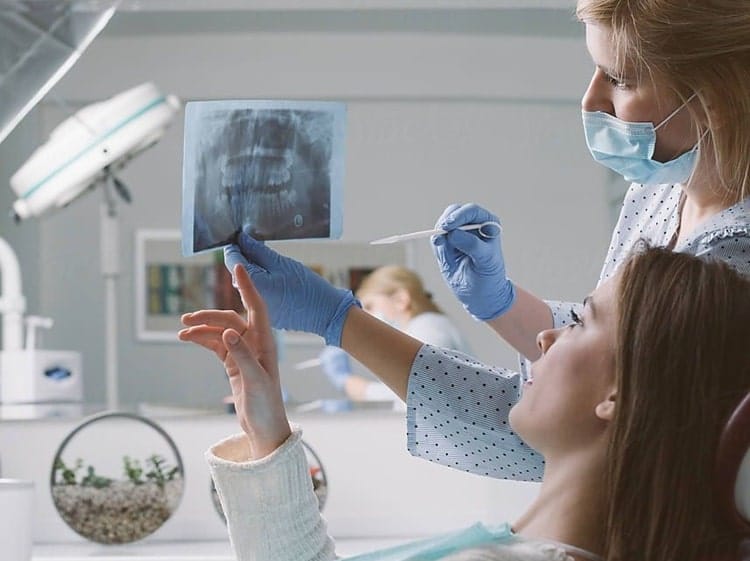
If coffee and tea stains on teeth are not superficial or home remedies are ineffective, it is best to see a dentist. Professional dental cleaning and polishing remove hardened plaque and tartar and improve tooth brightness. For more advanced whitening, in-office bleaching can be performed. Although its effects may be short-term, combining it with home treatments provides better results.
In severe cases, cosmetic treatments such as composite dental bonding or ceramic veneers may be recommended. Composite improves tooth color and shape, while veneers provide a uniform, long-lasting appearance but require enamel removal and are more expensive.
Take the Next Step Toward a Brighter, Stain-Free Smile
Coffee and tea stains are usually cosmetic, but if ignored, they can contribute to dental problems. By moderating consumption, practicing proper oral hygiene, using simple home remedies, and visiting the dentist regularly, you can prevent staining and maintain strong, healthy teeth. Brushing, flossing, and rinsing after consuming tea or coffee will help keep your smile both attractive and healthy. If your case of tooth discoloration is severe, Walk In Family Dental offers high-quality dental veneers in North York to enhance your smile.
FAQ
Why Does Frequent Consumption of Tea and Coffee Increase Tooth Stains?
Frequent consumption allows pigments to remain on the teeth for longer periods, increasing stain intensity over time.
Are These Stains Superficial or Do They Penetrate Tooth Enamel?
Most tea and coffee stains are extrinsic, meaning they affect the outer enamel surface. These stains are usually removable with brushing or professional polishing and do not significantly damage tooth structure.
Does Drinking Coffee Without Sugar or With Milk Make a Difference?
Sugar increases plaque formation, which allows stains to adhere more easily. Adding a small amount of milk can reduce staining because milk proteins (casein) bind to tannins and prevent them from attaching to enamel.
Are Coffee and Tea Stains Harmful or Just Cosmetic?
These stains are mostly cosmetic and not dangerous on their own. However, excessive consumption, especially of sugar, can erode enamel and increase the risk of cavities and sensitivity. Moderation and good oral hygiene help prevent these issues.