
Not having private dental insurance is more common than many people think. In North York and across Toronto, a large number of residents pay for dental care out of pocket. Fortunately, there are practical ways to lower the costs of visiting a dentist without insurance, including:
- You can check if you qualify for government programs like the CDCP
- Compare fees between clinics,
- Ask for a clear written estimate,
- Explore lower-cost options such as dental school or community clinics,
- Treat problems early, and stay on top of simple preventive care.
This guide walks you through 7 useful steps, so you can make the best decision and keep dental care more affordable.
1. Check If You Qualify for Government Dental Programs
If you don’t have private dental insurance, two main government programs may help lower your costs.
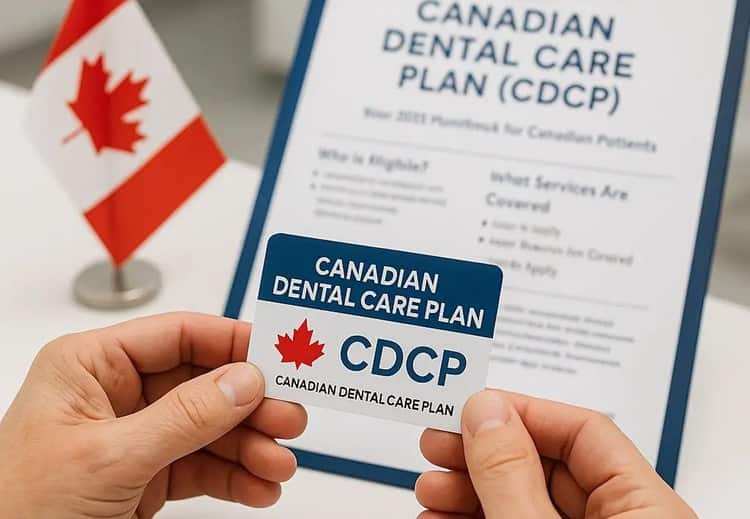
Canadian Dental Care Plan (CDCP)
You may qualify if you meet all four of these requirements:
- You have no access to private dental insurance (through work, a family member, school, a pension, or a plan you bought yourself).
- Your adjusted family net income is under $90,000.
- You are a Canadian resident for tax purposes.
- You (and your spouse or common-law partner, if applicable) filed a tax return in Canada for the previous year.
The plan covers a portion of eligible services such as exams, cleanings (scaling), fillings, and root canals. The exact percentage depends on your income:
- Under $70,000: 100% of the CDCP fee
- $70,000–$79,999: 60% of the CDCP fee
- $80,000–$89,999: 40% of the CDCP fee
Important: CDCP does not always mean zero cost. You may still pay a co-payment, and some clinics charge more than the CDCP rate. In those cases you pay the difference.
You can apply online through your My Service Canada Account or through the official channels on Canada.ca.
Read the full guide: Canadian Dental Care Plan (CDCP) by North York Dentist
Ontario Seniors Dental Care Program
If you are 65 or older, live in Ontario, and meet the income limits ($25,480 or less for a single person, or $42,290 or less combined for a couple; thresholds updated as of August 1, 2026), you may qualify for free routine dental care. You must not have other dental coverage (the Canadian Dental Care Plan is allowed, and does not affect your eligibility). Eligibility is based on your net income as reported on your most recent tax return.
Covered services include check-ups, cleanings, fluoride, polishing, fillings, X-rays, simple oral surgery, root canal treatment, and gum treatment. Dentures are only partially covered.
Apply online, by mail, or through a guarantor (if you don’t have a SIN or haven’t filed taxes) through the official Ontario website. Once approved, you’ll receive a benefit card valid until July 31 of that benefit year, and eligibility is automatically reassessed before each new benefit year.
Learn more about this program: Ontario Seniors Dental Care Program
Interim Federal Health Program (IFHP)
If you are covered by the Interim Federal Health Program (IFHP), you may have access to dental care even if you do not have private dental insurance. IFHP provides limited health coverage for eligible refugees and other protected persons in Canada, including certain dental services.
Since May 1, 2026, eligible beneficiaries generally pay a 30% co-payment for covered supplemental services, including eligible dental care. You must see an IFHP-registered provider, and coverage depends on the specific service and your eligibility.
Check this guide: IFHP dentist in North York
2. Compare Dental Fees Before Choosing a Dentist
Not every dental office charges the same amount for the same treatment. Prices can differ based on the complexity of the work, the materials used, the location of the clinic, and the individual dentist’s fee structure.
When you’re comparing options, ask for an estimate and see how the fees relate to the Ontario Dental Association (ODA) Suggested Fee Guide. This guide is only a reference tool. It is not mandatory, and dentists are free to set their own fees above or below the suggested amounts.
Checking a few offices in North York or nearby areas can help you understand the range.
3. Ask for a Written, Itemized Treatment Estimate
Before any treatment starts, ask the dental office for a clear written estimate. Make sure it includes:
- The total estimated cost
- A breakdown of each procedure and its fee
- Any possible additional costs
- How much the Canadian Dental Care Plan (or other coverage) is expected to contribute
- Your estimated out-of-pocket amount
For larger or more complex treatments, get this written estimate before you begin. Having the numbers in writing helps you understand exactly what you will pay and avoid unexpected charges later.
4. Ask About Payment Plans and Financing
For larger treatments, ask the dental office whether payment can be arranged in stages or if financing options are available. Walk In Family Dentistry also offers direct billing for eligible coverage such as the Canadian Dental Care Plan, which can reduce the amount you need to pay at the time of treatment.
5. Consider Dental Discount Plans
Dental discount plans are membership-based programs that can reduce the cost of dental services at participating dentists. Discounts typically range from 10% to 60%.
These plans are much less common in Canada than in the U.S. In Ontario, you’re more likely to find smaller regional programs or membership plans offered directly by individual dental clinics.
If you want to explore this option in the Toronto area, you can look into:
- Canada Health Saving Program, offers a 25% discount on dental services at participating clinics across Canada, with no annual limit or waiting period.
- In-house clinic membership plans; some dental offices offer their own discount or membership plans for patients without insurance. Since these plans vary by clinic, you’ll need to ask directly about their fees and discounts.
Tips:
Before signing up, check that your dentist participates in the plan and compare the membership fee with the amount you expect to save.
A discount plan may not be worthwhile if you only need occasional cleanings, but it can reduce costs if you expect to need more extensive dental treatment.

Need Dental Care Without Insurance?
At Walk In Family Dentistry, we understand how stressful it can be to visit a dentist without insurance. We accept the CDCP and offers direct billing for eligible patients. You can also get a written estimate before treatment and ask about coverage for your specific situation.
Contact us to discuss your dental care options and expected costs.
6. Consider Dental Schools and Community Dental Clinics
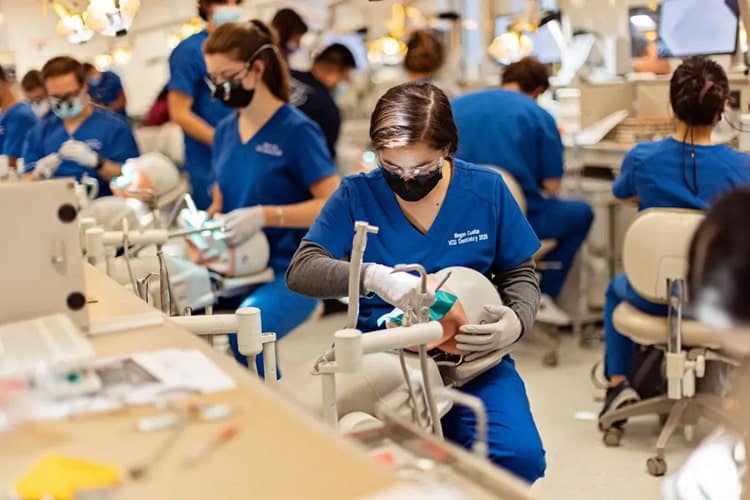
Dental school clinics and community clinics can be a practical way to lower costs. At the University of Toronto Faculty of Dentistry, supervised dental students provide care at reduced fees compared with most private practices. These clinics accept the Canadian Dental Care Plan. The trade-off is that appointments may take longer and treatment can span multiple visits.
Toronto also has other low-cost options listed by the City of Toronto. These include public health dental clinics, the George Brown College WAVE Dental Clinic, Filling the Gap dental outreach services, and some community health centres. Fees are typically lower, and many accept government programs.
In addition, Walk In Family Dentistry in North York accepts many student insurance plans. This can be a convenient local option for students looking for covered care closer to home.
Related guide: Dental Care for Low Income Patients: Affordable Dentist Toronto
7. Preventive Care and Early Treatment
Putting off dental care to save money can often end up costing more. A small cavity that could have been fixed with a simple filling may turn into deeper decay. That can lead to a root canal and crown, or eventually an extraction and the need to replace the tooth. Treating dental problems early can help prevent more complex and expensive treatment later.
Regular preventive care can also help reduce future dental costs. Simple steps such as dental check-ups, professional cleanings as advised, daily brushing and flossing, and addressing small problems early can lower the chance of needing more extensive treatment.
Related topic: What Are Common Dental Problems & Their Solutions?
Emergency Dental Care Without Insurance
If you have severe tooth pain, a broken tooth, or another urgent problem, seeking care early is usually the better financial and health decision. Same-day emergency appointments are available at Walk In Family Dentistry when needed.

How Much Does Dental Care Without Insurance Cost?
Dental fees in Ontario vary, but the ranges below give a realistic picture of what many patients pay out of pocket for common services when they have no private insurance. These figures are approximate and based on recent analyses of the Ontario Dental Association (ODA) Suggested Fee Guide for 2025–2026:
| Service | Typical range (CAD) |
| Dental exam | ~$100–$190 |
| Cleaning | ~$150–$300 |
| Filling | ~$150–$400+ |
| Simple extraction | ~$200–$220 |
| Root canal (molar) | ~$1,400–$1,580 |
| Crown | ~$1,350–$1,450 + lab |
Actual costs can be higher or lower depending on the complexity of the treatment, the materials used, the location of the clinic, and the dentist’s own fee structure.
Note: Even if you qualify for the Canadian Dental Care Plan, you may still have out-of-pocket costs. The plan covers a percentage of its own established fees, and some clinics charge more than those rates. Always ask for a written estimate so you know the real amount you will need to pay.
Read more: Affordable Dental Care Options for North York Residents
Dental Care without Insurance in Walk In Family Dentistry, North York
We provide dental care for patients without private insurance at Walk In Family Dentistry in North York. We accept the Canadian Dental Care Plan (CDCP) and offer direct billing for eligible patients. We also provide same-day emergency appointments for issues such as tooth pain or broken teeth, along with written treatment estimates before care begins. We accept many student insurance plans as well.
Our team can provide information about available coverage and expected costs so you can better understand your dental care options. You visit or call us at:
FAQ
Can I go to a dentist if I have no insurance at all?
Yes. No clinic requires insurance. You simply pay the full fee or use government programs if eligible.
How can I avoid unexpected dental bills?
Always ask for a written, itemized estimate before treatment starts, including any possible extra costs.
Are dental school clinics cheaper than regular dentists?
Usually yes. Supervised student clinics charge lower fees, though appointments often take longer.
Do all dentists charge the same prices in Toronto?
No. Fees vary by clinic, location, complexity and materials. Comparing a few offices helps.
Can I get dental care without insurance in Canada?
Yes. You can visit a dentist without private insurance and pay out of pocket. You may also qualify for programs such as the CDCP or other government dental programs.
What can I do if I can’t afford dental care?
Check whether you qualify for government programs, compare fees between dental offices, and consider dental schools or community clinics that offer lower-cost care.
Have you ever had to visit a dentist without insurance or found a helpful way to reduce dental costs? Share your experience or questions in the comments below. Your insight could help others in the same situation!