There’s nothing worse than lying in bed, ready for a good night’s sleep, only to be jolted awake by extreme tooth pain. Many people suffer from tooth pain at night, and it can be both exhausting and alarming. The good news is that there are both short-term relief methods and long-term treatments that can help. In this blog, we’ll explain immediate relief tips, the most common causes of nighttime tooth pain, how it affects your sleep and wellbeing, and when it’s time to call an emergency dentist.

Immediate Relief Tips for Nighttime Tooth Pain
While home remedies won’t cure the underlying issue, they can help you get through the night until you can see a dentist. Here are some methods that can provide temporary comfort.
- Keep your head elevated: Lying flat allows more blood flow to your head, which can increase pressure and throbbing. Try propping your head up with an extra pillow.
- Cold compress: Place an ice pack or a cold towel on the outside of your cheek for 15 to 20 minutes. This can reduce inflammation and numb the pain.
- Rinse with warm saltwater: Mix half a teaspoon of salt into a glass of warm water. Swishing it around your mouth can reduce bacteria and soothe irritated gums.
- Over-the-counter pain relievers: Ibuprofen or acetaminophen can help manage the pain until professional care is available. Always follow dosage instructions.
- Avoid certain foods: Skip sugary, acidic, or very hot/cold foods at night, as they can worsen tooth sensitivity and pain.
Important Note: These methods are only temporary. If you’re having extreme pain, it’s often a sign of an infection or another serious dental problem.
Contact Us for Immediate Care
If your pain feels unbearable and you’re unsure what to do, call Walk In Family Dentistry right away. Our team is available to help relieve your pain and prevent the problem from getting worse.
Common Causes of Tooth Pain at Night
Toothaches don’t happen without a reason. Understanding the cause can help you know what treatment might be needed. Some common dental problems leading to tooth pain are explained below.
Dental Abscess and Infection
A dental abscess is a pocket of pus caused by a bacterial infection, often from untreated cavities or gum disease. At night, the increased blood flow to your head can intensify the throbbing pain. Abscesses are dangerous if left untreated because the infection can spread to other areas of the body. Symptoms may include:
- Swollen face or gums
- Fever
- Persistent, severe toothache
- Bad taste in the mouth from pus
- This condition requires emergency dental care.
Pulpitis and Inflammation
Inside each tooth is the pulp, which contains nerves and blood vessels. Pulpitis happens when this pulp becomes inflamed, usually due to deep cavities, trauma, or repeated dental procedures. The pain often gets worse when you lie down because pressure builds inside the tooth. In advanced cases, a root canal may be necessary to save the tooth.
Bruxism (Teeth Grinding)
Many people unknowingly grind their teeth at night, a condition called bruxism. Over time, grinding wears down enamel, exposes dentin, and causes sensitivity and pain. You may also notice jaw soreness or headaches in the morning. A night guard can protect your teeth and reduce pain.
According to a study on NCBI, one of the most common treatments for bruxism is using a mouthguard (also called an occlusal device) that you wear at night to protect your teeth from grinding against each other. Doctors may also recommend certain behavioral changes, such as stress management, relaxation techniques, or breaking habits that make grinding worse.
Sinus Issues and Referred Pain
Not all nighttime toothaches start in the teeth. Sinus infections can create pressure that radiates into your upper molars. This “referred pain” can feel like a dental issue, but the underlying cause is sinus-related. If you feel congested or notice pain that worsens when you bend forward, your sinuses may be the real problem.
Why Is Tooth Pain Worse at Night?
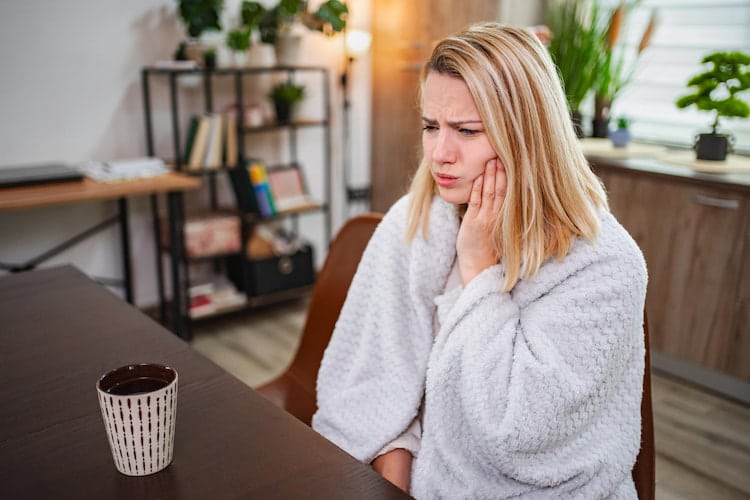
It’s very common for people to feel that tooth pain becomes much worse at night, even if it was only mildly noticeable during the day. One of the main reasons is increased blood flow. When you lie down, blood naturally rushes toward your head, which raises pressure in sensitive, inflamed areas of the mouth. This extra pressure makes the pain feel stronger.
Another reason is the lack of distractions. During the day, you are often busy with work, family, or everyday activities, so the pain may not seem as overwhelming. At night, when the world is quiet and you’re trying to rest, your mind focuses on the discomfort, and the throbbing becomes harder to ignore.
Moreover, teeth grinding or jaw clenching, which often happens unconsciously during sleep, can also make the pain worse. These habits put extra strain on the teeth and surrounding muscles, increasing irritation in an already sensitive tooth.
How Tooth Pain Affects Sleep and Well-being
Missing sleep because of tooth pain affects not only your mood but also impacts your overall health. Poor sleep can lead to increased stress and irritability, lowered immune system function, difficulty concentrating during the day, and worsening perception of pain.
Chronic sleep disruption from tooth pain can create a cycle: the pain keeps you awake, lack of sleep lowers your pain tolerance, and the toothache feels even worse the next night. Therefore, getting proper treatment is not just about saving your teeth; it’s about protecting your long-term health.
Dental pain rarely goes away on its own. If it’s keeping you awake at night, it’s time to act.
Read more: How Home Remedies Can Ease Toothaches Until You See the Dentist

When to See an Emergency Dentist
While some minor toothaches can wait until morning, certain signs mean you should call a dentist right away. These signs are listed below:
- Severe, throbbing pain that doesn’t improve with painkillers
- Swelling in the face, jaw, or gums
- Fever, chills, or signs of infection
- Difficulty breathing or swallowing
- Broken or knocked-out teeth
How to Prevent Toothache in the Future?
Brushing and flossing thoroughly each day plays the biggest role in preventing tooth pain at night, as it helps remove the bacteria and food particles that lead to cavities and gum disease. Regular visits to your dentist are equally important because professional check-ups and cleanings allow problems to be treated before they become severe enough to cause pain.
Staying hydrated is another simple but powerful step because a dry mouth encourages bacteria growth, while water helps keep your teeth and gums clean. Diet also plays a part by limiting sugary snacks and acidic drinks, lowering your risk of decay and sensitivity. Finally, taking action at the first sign of trouble, such as tooth sensitivity or gum swelling, can prevent small issues from turning into emergencies.
Conclusion
Nighttime tooth pain can feel overwhelming, but you don’t have to suffer in silence. From infections and inflammation to grinding and sinus pressure, there are many possible causes, but all of them need proper dental attention. Home remedies can help you get through the night, but lasting relief only comes from seeing a dentist.
At Walk In Family Dentistry, we’re here to help you sleep peacefully again by treating the root cause of your pain. From root canal therapy to tooth extraction, our team offers various dental services to take your tooth pain away for good! Don’t let toothaches take away your rest or your smile; book an appointment today.
FAQ
What to do when your teeth hurt so bad you can’t sleep?
Try elevating your head, using a cold compress, rinsing with saltwater, and taking pain relievers. These can provide temporary relief, but you’ll need to see a dentist as soon as possible.
How do you sleep with an excruciating toothache?
Keep your head propped up with pillows, avoid eating before bed, and try relaxation techniques like deep breathing. Pain relievers may help you fall asleep, but the root cause must be treated by a dentist.
Why can’t I sleep because of a toothache?
When you lie down, more blood flows to your head, which increases pressure on the inflamed nerves in your tooth. This makes pain feel stronger at night compared to during the day.
How do you stop unbearable tooth pain?
Unbearable tooth pain usually means there’s an infection or nerve issue. Over-the-counter pain medication and cold compresses may help, but dental treatment (such as antibiotics, fillings, or root canal therapy) is required for lasting relief.
Have you ever experienced severe tooth pain at night? Share your story in the comments below; we’d love to hear how you managed it!