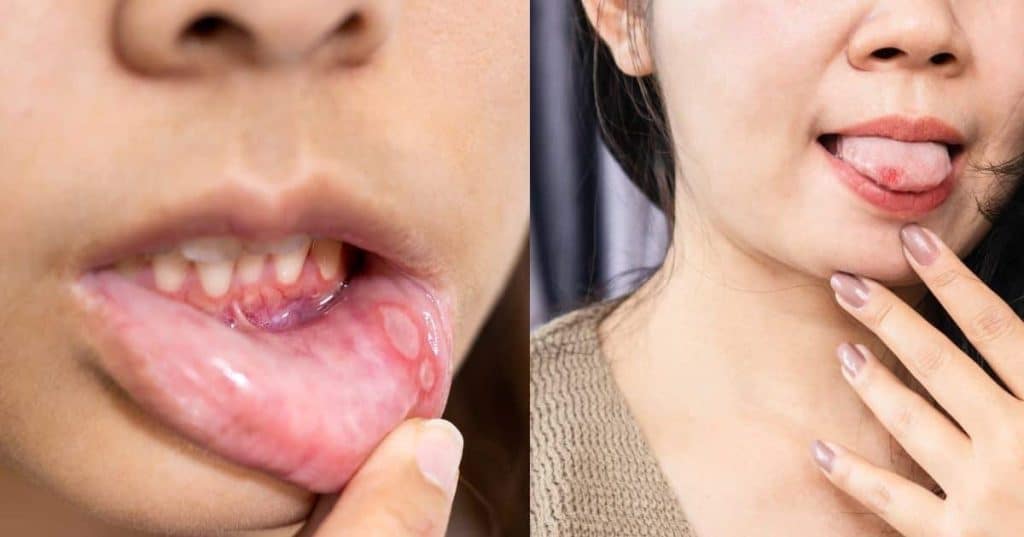
When it comes to oral discomfort, canker sores and cold sores are two of the most common culprits. Although both cause pain and irritation, they are quite different in terms of their causes, symptoms, and treatments. General dentistry exams can diagnose the sore type. In this article, we’ll break down the details about canker sores vs cold sores, help you understand their triggers, and guide you on how to manage or treat them effectively.
Key Differences: Canker Sore vs Cold Sore
Getting clear on the canker sores vs cold sores basics can save you time and discomfort. Let’s break it down step by step:
| Feature | Canker Sore | Cold Sore |
| Location | Inside the mouth (inner cheeks, lips, gums) | Stress, hormonal changes, acidic foods, mouth injury, and vitamin deficiency |
| Cause | Stress, hormonal changes, acidic foods, mouth injury, vitamin deficiency | Herpes simplex virus (HSV) |
| Appearance & Symptoms | Small round ulcer with white/yellow center and red border; painful, no blisters | Starts with tingling, then fluid-filled blisters that burst and crust |
| Contagious? | ❌ Not contagious | ✅ Highly contagious, especially when blisters burst |
| Duration & Healing | Outside the mouth (lips, chin, around the mouth) | Lasts 2 to 4 weeks; may leave a red mark, first outbreak often longer |
1. Location
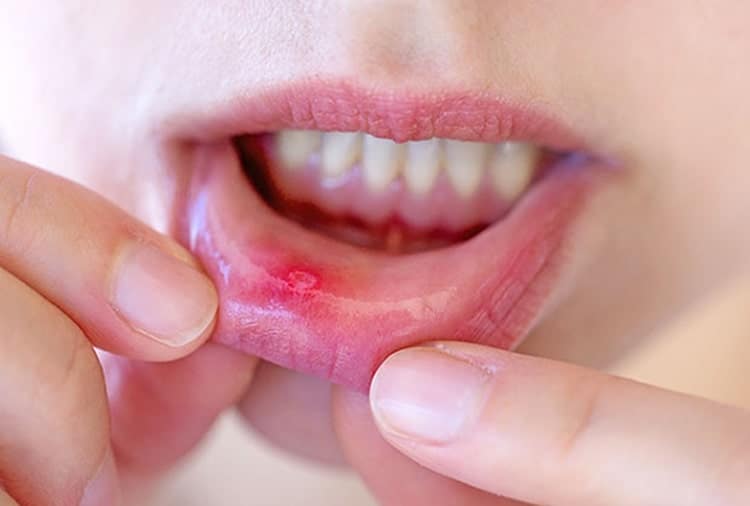
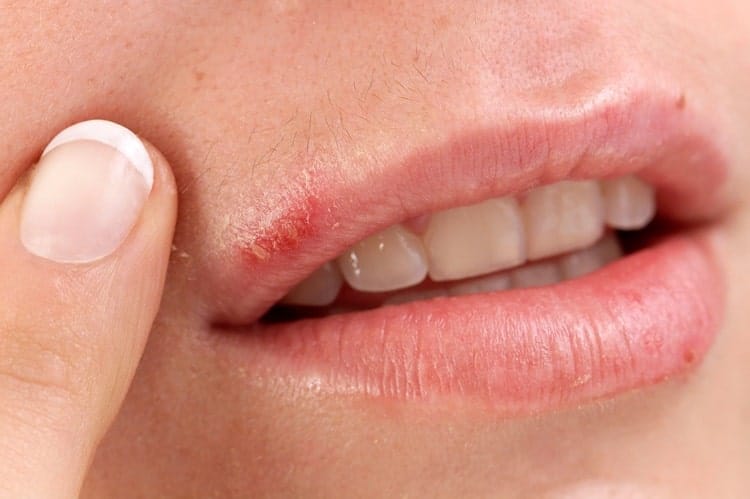
Canker sores show up inside the mouth, like on the inner cheeks, lips, or gums. Cold sores appear outside, usually on the lips or chin. This difference is important because it affects how you treat them. The location also affects healing time, because inside sores are in a moist area.
Read more: “Black Spots on Your Teeth: Why They Appear and How to Treat Them”
2. Causes
Canker sores are caused by stress, hormonal changes, or even eating acidic foods. They’re not viral and often happen due to mouth injuries or deficiencies in vitamins. Cold sores, on the other hand, are caused by the herpes simplex virus, which stays in your body and reactivates with things like illness or sun exposure.
Concerned About Mouth Sores or Oral Discomfort?
At Walk In Family Dentistry, our experienced team offers thorough exams to identify the issue early and provide the right treatment. Visit our homepage or contact us today and take a confident step toward better oral health.
3. Symptoms
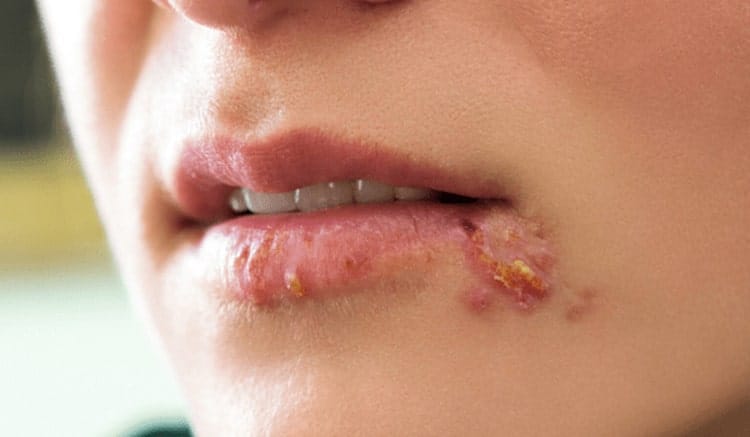
Canker sores start with a tingling or burning feeling, then turn into small, round ulcers with a white or yellow center and a red border. They hurt, especially when eating, but don’t form blisters. Cold sores begin with itching or tingling, then turn into blisters that burst, ooze, and crust over. They can also cause fever or swollen glands the first time.
Want to learn more about the benefits of clear aligners? We will tell you why more people are choosing these invisible braces.
4. Contagiousness
Canker sores aren’t contagious, so there’s no need to worry about spreading them. Cold sores, however, are highly contagious, especially when the blisters burst. You can spread them by kissing or touching the sore and then another area. The virus can even spread to your eyes or genitals if you’re not careful.
5. Duration and Healing
Canker sores usually heal in 7 to 14 days, with bigger ones taking up to three weeks. They fade without blistering and don’t leave scars. Cold sores last 2 to 4 weeks, going from blisters to scabs, and may leave a red mark. The first outbreak can be longer. Your immune system affects how fast they heal.
Treatment Options for Mouth Sores
Dealing with a sore can disrupt your routine, but luckily, there are ways to ease the pain. Whether it’s a canker or cold sore, starting treatment early makes a difference. Let’s explore some effective options:
| Type of Sore | Over-the-Counter Remedies | Prescription | Home Remedies |
| Canker Sore | Numbing gels, mouth rinses | Steroid tablets or medicated mouthwash | Saltwater rinse multiple times a day, applying milk of magnesia directly to the sore |
| Cold Sore | Antiviral creams, pain ointments | Oral antivirals like acyclovir or valacyclovir | Ice packs, aloe vera |
If you want to learn more about the CDCP dental coverage, click the link, and we will walk you through how you can apply for this program.
Prevention Strategies to Keep Sores at Bay

Here’s how you can reduce your chances of outbreaks:
- Manage stress through activities like yoga or meditation, as it triggers both types of stress.
- Protect your lips from sun exposure with SPF balm to prevent cold sore activations.
- Keep a balanced diet rich in vitamins, especially B12 and iron, to ward off canker sores.
- Avoid acidic or spicy foods that irritate your mouth lining.
- Practice good oral hygiene, using a soft toothbrush to prevent injuries.
- For cold sores, avoid close contact during active outbreaks to stop the spread.
Note: Regular professional dental cleaning can help you maintain healthy teeth and gums.
Common Myths Debunked About Mouth Sores
Myths about sores can lead to confusion and unnecessary fears. It’s time to set the record straight with facts.
| Myth | Fact |
| Cold sores are caused by the common cold. | They’re actually triggered by the herpes simplex virus, not a cold virus. |
| Canker sores are contagious like cold sores. | No, canker sores aren’t viral and can’t spread to others. |
| Spicy food always causes canker sores. | It can irritate, but it isn’t the sole cause; stress and deficiencies play bigger roles. |
| Cold sores only appear on the lips. | They can show up around the mouth, nose, or even eyes in some cases. |
| You can cure cold sores permanently. | The virus stays dormant; treatments manage symptoms, not eliminate it. |
Are you wondering what the best insurances in Canada are? Let’s take a step toward more affordable dental services.
When to Seek Professional Help

Most sores heal on their own, but sometimes they signal something more. Don’t ignore persistent issues. Let’s cover the warning signs.
- If a sore lasts longer than two weeks without improvement.
- Experiencing severe pain that interferes with eating or drinking.
- Frequent outbreaks, more than a few times a year.
- Accompanied by fever, swollen glands, or unexplained weight loss.
- Sores that spread or appear in unusual places.
- If you have a weakened immune system from conditions like HIV.
Note: You can save money by visiting a CDCP dentist or health care provider rather than a regular one.
Heal with Ease, Put Pain to Freeze
With the knowledge of canker sores vs cold sores differences, you’re ready to manage them confidently. Most sores are temporary, but with the right steps, you can reduce their impact. If you’re experiencing extreme pain, swelling, or infection, Walk In Family Dentistry provides emergency dentists in North York with free consultation and personalized care.
FAQ
What’s the main difference between a canker sore and a cold sore?
Canker sores are small, round, white or yellow ulcers inside the mouth. Cold sores start as fluid-filled blisters outside, which burst and crust over. Look for the location to tell them apart!
Can stress cause both canker sores and cold sores?
Yep! Stress can trigger both by messing with your immune system. Canker sores are often triggered by diet or injury, while cold sores reactivate when stressed.
What foods should I avoid if I get canker sores?
Acidic stuff like citrus and tomatoes can make it worse. Spicy and salty foods hurt too. Stick to bland, soft foods when they pop up.
How contagious are cold sores, and how do I prevent spreading them?
Cold sores are super contagious, especially when they’re blistering. Avoid kissing and sharing utensils or oral stuff. Wash your hands and keep away from the sore!
Do OTC treatments work for both?
OTC numbing gels help for both, but antivirals are best for cold sores. Canker sores do well with protective pastes. If they don’t help, see a doctor for stronger stuff.
Have you ever experienced canker sores or cold sores and struggled to tell the difference? Share your experience or questions in the comments below. We’d love to hear from you and help others learn from your story!