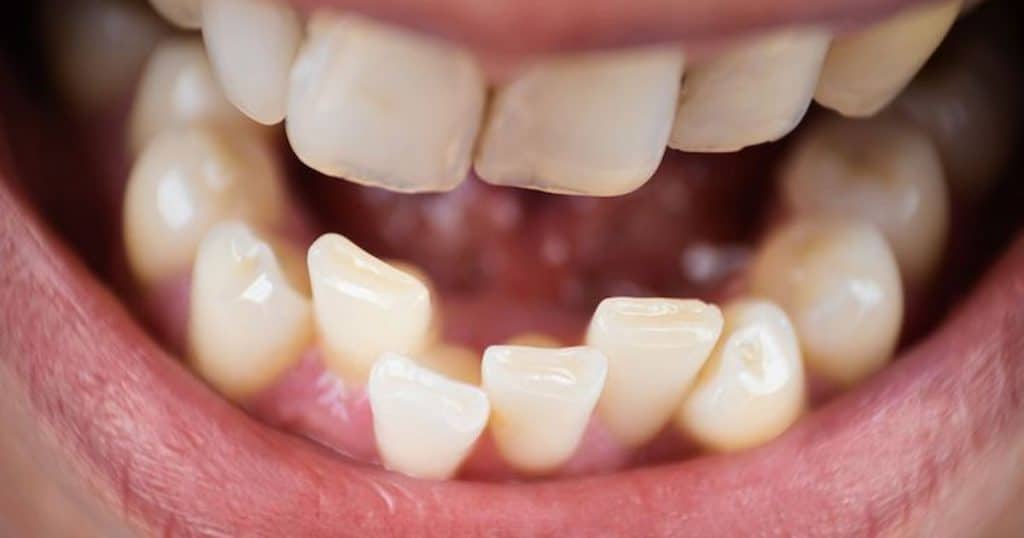
Imagine your teeth are like puzzle pieces, each with a specific place they fit in your mouth. When all the pieces slot together perfectly, it creates a beautiful smile and allows you to chew and speak efficiently. But sometimes, these “puzzle pieces” don’t fit quite right. They might be tilted, crowded, or even overlapping. This is what we call crooked teeth, which can be treated through cosmetic dental solutions.
In this blog post, we’ll discuss crooked teeth, their causes, impacts, and different options to straighten them.

Types of Crooked Teeth
Crooked teeth don’t all look the same. For some people, one tooth may be slightly twisted, while for others, several teeth may not line up properly. Dentists often use the word “malocclusion” to describe these bite and alignment problems. Here are the most common types:
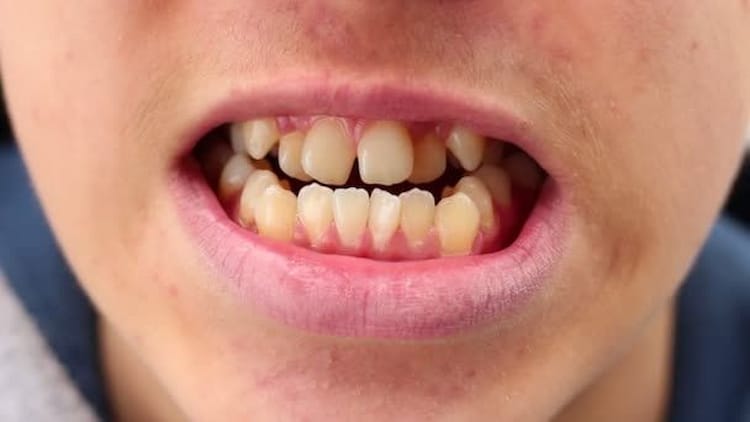
- Overcrowding: Teeth don’t have enough space, so they overlap or push against each other.
- Spacing (Gaps): Extra space in the jaw causes noticeable gaps between teeth.
- Overbite: The upper front teeth stick out too far over the lower teeth.
- Underbite: The lower front teeth sit in front of the upper front teeth.
- Crossbite: Some upper teeth bite inside the lower teeth instead of outside.
- Open bite: There’s a gap between the upper and lower front teeth when the mouth is closed.
All of these are types of crooked teeth, and while they may affect your smile in different ways, dentists have several treatment options to straighten them.
Straighten Your Smile with Expert Care
Book an appointment at Walk In Family Dentistry to explore the best solutions for crooked teeth and get a personalized treatment plan that fits your needs.
What Causes Crooked Teeth?
The truth is, there’s no single culprit behind crooked teeth. It’s often a combination of factors that play a role in how our teeth develop and settle into their final positions. Let’s explore some of the common causes.
1. Genetics
Our genes have a significant impact on various aspects of our physical appearance, including the size and shape of our jaws and teeth. Similar to how eye color and hair texture can be inherited if one or both of our parents have crooked teeth or an overbite/underbite, there is a greater likelihood that we may also inherit a similar jaw structure or tooth size that could potentially result in misalignment.
2. Early Baby Tooth Loss
Baby teeth may not seem important, but they are actually holding a spot for our permanent teeth. If a baby’s tooth falls out early because of decay or being pulled out, the other teeth could move around and cause problems when the permanent tooth comes in.
Thumb Sucking or Pacifier Use
Habits like thumb sucking or using a pacifier for too long during childhood can put pressure on the developing teeth and jaws. Over time, this may cause teeth to push forward or become misaligned.
3. Prolonged Bottle Feeding
Extended use of a bottle, especially past infancy, can affect the way teeth grow and align. This is because the sucking motion places pressure on the teeth and jaws, similar to thumb sucking. Switching to a cup at the right age can help reduce this risk.
4. Tongue Thrusting
Tongue thrusting happens when the tongue pushes against the teeth during swallowing or speaking. This constant pressure can slowly move the teeth out of place, often causing an open bite or gaps between teeth. If left untreated, the habit can continue into adulthood and worsen alignment problems.
5. Injuries or Trauma
An accident or injury to the mouth can shift teeth out of place. Trauma may also damage the jaw, which can cause long-term alignment issues if not treated properly. In some cases, an injured tooth may even move differently as it heals, leading to crookedness.
Problems Caused by Crooked Teeth
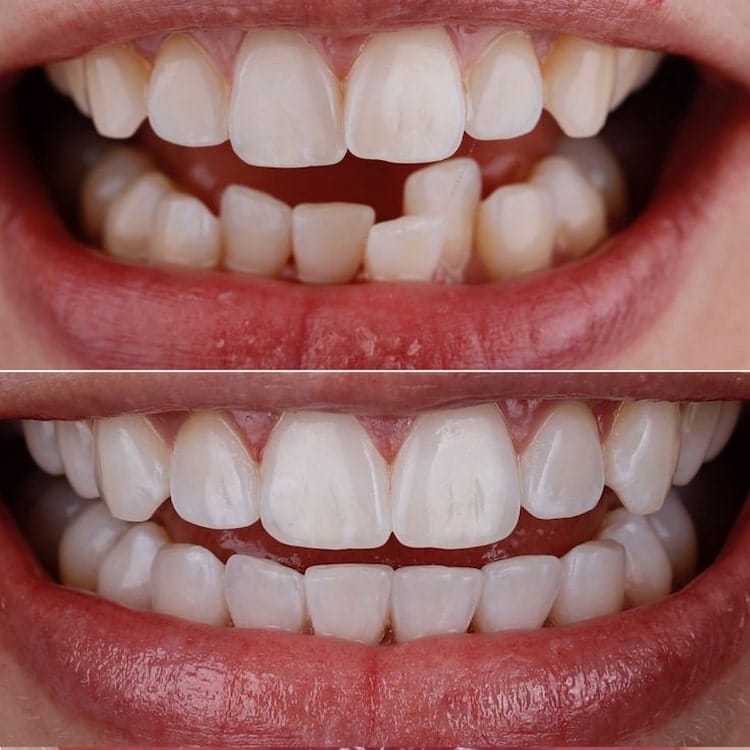
Crooked teeth are more than just a cosmetic concern. They can also affect your oral health and daily life in different ways. Let’s explore the problems caused by crooked or misaligned teeth.
- Oral Health Issues: Crooked teeth can make it challenging to clean your teeth effectively. Food particles can easily get trapped between overlapping or crowded teeth and create a place for plaque and bacteria.
- Chewing Challenges: Misaligned teeth can make it difficult to chew food properly. This can not only affect your enjoyment of meals but also impact your digestion as your body struggles to break down food efficiently.
- Speech Difficulties: In some cases, severe misalignment, particularly an overbite or underbite, can affect your speech clarity. Certain sounds might become difficult to pronounce, leading to speech impediments like lisping.
- Jaw Pain and TMJ Issues: When your teeth don’t fit together properly, it can put strain on the muscles and joint (temporomandibular joint) and cause jaw pain.
- Self-Esteem: Not everyone feels self-conscious about their crooked teeth, but some individuals might experience a bad feeling due to their smile’s appearance (especially crooked front teeth). This can affect their social interactions.
Should I Straighten My Crooked Teeth?
Whether or not to straighten your teeth is ultimately a personal decision. However, there are many reasons why it could be a positive choice for you. A straighter smile can improve your oral health by making it easier to clean your teeth and reducing the risk of cavities and gum disease. Additionally, it can enhance your confidence and self-esteem, allowing you to smile freely in social situations.
Furthermore, straightened teeth can enhance chewing efficiency, resulting in improved digestion. In some cases, it can even alleviate jaw pain and discomfort. While the choice is yours, remember that straightening your teeth offers a range of benefits that extend far beyond just a beautiful smile. It’s definitely worth discussing with a dentist to see if it’s the right path for you.
How to Fix Crowded or Crooked Teeth?
There are several treatments dentists and orthodontists use to straighten teeth. The right choice depends on how severe the problem is, your age, and your overall oral health. Here are the most common options you can consider.
Clear Aligners
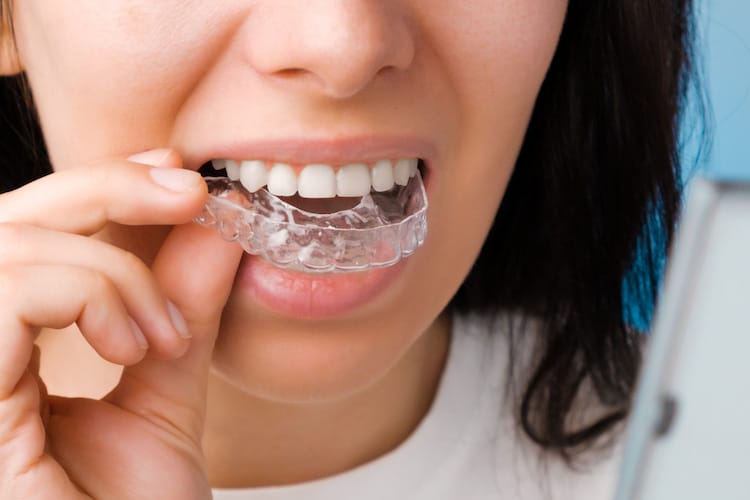
Clear aligners, like Invisalign treatment, are removable plastic trays that fit over your teeth. They work by applying gentle, steady pressure, with new sets of trays given every few weeks to gradually move the teeth. Aligners are popular because they’re nearly invisible and can be removed when eating, brushing, or flossing. They’re best for mild to moderate cases of crooked or crowded teeth.
Dental Veneers
Veneers are thin shells, usually made of porcelain, that cover the front of the teeth. Instead of moving the teeth, dental veneers create the look of a straight, even smile. They’re a quick solution for minor crookedness, gaps, or chips. However, they are cosmetic only and don’t fix bite problems or severe misalignment.
Dental Crowns
Dental crowns are caps placed over teeth to change their shape and appearance. They can make a crooked or damaged tooth look straighter and more natural. Like veneers, crowns are mostly cosmetic, but they can also strengthen weak teeth while improving alignment.
Tooth Extraction
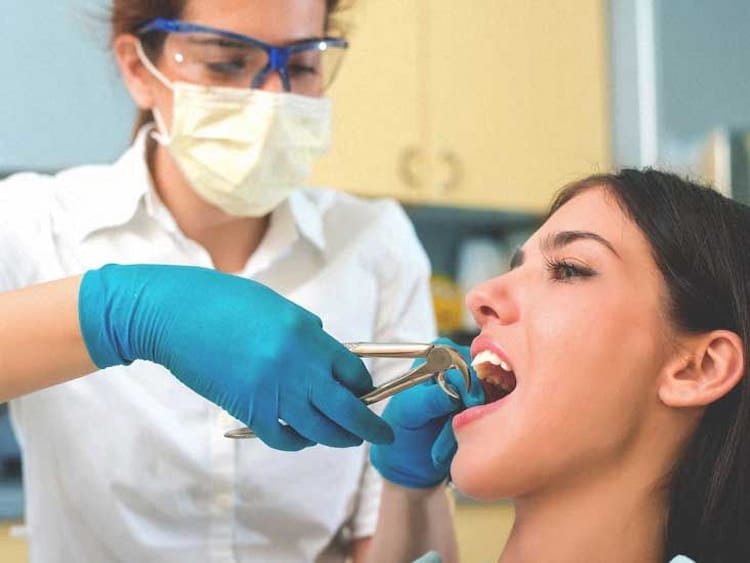
When overcrowding is the main issue, removing one or more teeth may be necessary to create enough space. After tooth extraction, aligners are usually used to shift the remaining teeth into their correct positions. This treatment is more common in children and teens, but can sometimes be recommended for adults as well.
Jaw Surgery (Orthognathic Surgery)
In very severe cases, crooked teeth are caused by the way the upper and lower jaws are aligned. Aligners alone may not fix this. Orthognathic surgery repositions the jaw to improve the bite and create a healthier, straighter smile. It’s usually combined with orthodontic treatment before and after surgery and is recommended only when absolutely necessary.
How Long Will it Take to Straighten Teeth?
The time it takes to straighten teeth depends on how crooked they are, the treatment method, and how well you follow your dentist’s instructions. On average, clear aligners may take 12 to 24 months, while mild cases can sometimes be corrected in as little as 6 months. Cosmetic options like veneers or crowns can create the appearance of straight teeth much faster, often in just a few dental visits, but they don’t move the teeth themselves. Your dentist or orthodontist will give you a personalized timeline after examining your teeth.

Conclusion
Crooked teeth are something many people deal with, but they can have negative effects on your oral health, confidence, and even your ability to speak and eat. Luckily, you don’t have to keep them forever! There are now effective treatments available, such as clear aligners, that can help you achieve a straighter smile.
Walk-in Family Dental is a premier dental clinic in Toronto, offering a comprehensive range of high-quality cosmetic and general dental services. If you’re struggling with crooked teeth, our professional dentists in North York are ready to give you a hand and improve your oral health by straightening your teeth.
Make an appointment with our skilled dentist in North York to begin your treatment process right away!
FAQ
How do you fix crooked teeth?
Crooked teeth can be fixed with several treatments, depending on your needs. Braces and clear aligners are the most common options, slowly moving teeth into the right position over time. In some cases, cosmetic treatments like veneers or crowns can make teeth look straighter more quickly, though they don’t change the actual alignment.
What causes very crooked teeth?
Very crooked teeth are often caused by a mix of genetics and habits. If your jaw is too small, your teeth may not have enough space, leading to overcrowding. Other causes include thumb sucking, tongue thrusting, losing baby teeth too early, injuries, or poor dental care. Sometimes, it’s simply inherited from parents, which is why crooked teeth often run in families.
Is it okay to have crooked teeth?
Crooked teeth are common, and many people live with them without major problems. However, they can sometimes make cleaning harder, increase the risk of gum disease or cavities, and even cause bite or jaw issues. If your crooked teeth don’t bother you and your dentist says they’re healthy, it may be okay to leave them as they are. But if they affect your smile, comfort, or oral health, treatment can be a good idea.
Will straightening my teeth be painful?
Straightening teeth isn’t usually painful, but you may feel some mild discomfort, especially after braces are tightened or when you switch to a new set of aligners. This soreness usually only lasts a few days and is a sign that your teeth are moving as they should. Most patients get used to the feeling quickly, and your dentist can suggest ways to ease the discomfort if needed.
Are crooked teeth hereditary?
Yes, genetics often influence jaw size, tooth size, and dental alignment. If parents or close family members have misaligned teeth or malocclusion, a person may be more likely to inherit similar traits. An orthodontic evaluation can determine the cause and best treatment options.