Cold and dry winter air can make teeth and gums sensitive and prone to decay, because cold tightens the enamel and exposes nerves, while dryness reduces protective saliva. But don’t worry! By following a few simple and practical tips along with regular Dental Cleaning, you can keep your teeth and gums healthy and prevent pain, cavities, and sensitivity. In this guide, we show how, with simple habits like brushing, flossing, proper nutrition, and protection against cold air, you can protect your teeth in winter.
| Tip | What to Do | Why It Helps |
| 1- Brushing & Flossing | Brush twice daily, floss once, clean tongue | Prevents plaque, decay & gum inflammation |
| 2- Drink Water | 6–8 glasses daily, with meals/snacks | Reduces dry mouth & washes away acids |
| 3- Soft Toothbrush | Use soft bristles, gentle circular motion | Protects enamel & prevents gum recession |
| 4- Sensitive Toothpaste | Use sensitivity toothpaste + fluoride rinse weekly | Calms nerves & strengthens enamel |
| 5- Citrus Care | Use soft bristles, a gentle circular motion | Prevents acid enamel erosion |
| 6- Protect From Cold | Cover your mouth with a scarf/mask outdoors | Prevents cold-triggered tooth pain |
| 7- Dental Checkups | Visit every 3–9 months | Detects early problems & prevents major damage |
| 8- Sugar-Free Gum | Chew 5–10 min after meals if no brushing | Boosts saliva & reduces bacteria |
| 9- Healthy Diet | Eat dairy, veggies & nuts | Strengthens enamel & jaw |
| 10- Limit Sweets | Eat moderately, rinse or drink milk after | Reduces cavity-causing acids |
How to Protect Your Teeth in Winter?
Canada is known for its cold winters. Living in Canada means getting used to the cold, but it doesn’t mean dealing with the pain. Here are some practical tips our team of dentists suggests you follow to enjoy the cold weather while keeping your teeth safe and relaxed.
1. Take Brushing and Flossing Seriously
During winter, when the body’s immunity decreases, maintaining oral hygiene is the most important way to prevent tooth decay and gum inflammation. For this, brush twice a day (first thing in the morning and before sleep) and use dental floss at least once a day.
Finally, don’t forget to gently clean your tongue. This prevents plaque buildup and bacterial growth and helps strengthen the gums, reducing common Dental Problems during the colder months.
2. Drink Enough Water

In winter, reduced saliva production causes dry mouth and increases the risk of cavities. Drinking 6 to 8 glasses of water daily helps maintain oral moisture and preserves dental health by washing away bacteria and acids. It is better to drink water throughout the day, along with main meals and snacks, to protect teeth in winter.
Worried About Your Smile This Winter?
At Walk In Family Dentistry, we offer complete preventive care and guidance to help you protect teeth in winter and maintain a healthy smile. Our team also provides comprehensive Dental Care for Refugees in North York. Contact us today and take a proactive step toward strong, pain-free teeth this season!
3. Soft Toothbrush and Proper Brushing Technique

In winter, when tooth sensitivity increases due to cold weather, it is better to use soft-bristled toothbrushes. Applying too much pressure while brushing can cause gum recession and enamel wear, so move the brush gently in circular or light back-and-forth motions. Also, remember that replacing the toothbrush every 3–4 months keeps cleaning effective and prevents bacteria buildup.
4. Proper Toothpaste for Sensitive Teeth in Winter
If your teeth become sensitive to cold during winter, it is better to use toothpaste designed for sensitive teeth. These products contain compounds (such as fluoride or potassium nitrate) that help reduce pain and sensitivity by calming tooth nerves and strengthening enamel.
Tip: For better results, you can use a fluoride mouthwash once or twice a week.
5. The Effect of Citrus Fruits on Dental Health in Winter
Winter citrus fruits such as oranges, lemons, and grapefruit are rich in vitamin C, but the citric acid they contain can weaken tooth enamel and gradually cause decay. Reduce the acid effect with a few simple methods:
- Drink some water after eating citrus to wash the acid off the teeth.
- Do not brush immediately after consuming citrus; wait about 30 minutes.
- Use a straw for juices to reduce acid contact with teeth.
- Keep citrus consumption moderate at each serving to avoid damaging enamel.
6. Keeping the Mouth and Teeth Warm in Winter
In winter, when leaving home, cover your mouth with a scarf or cotton mask so cold air does not directly enter your mouth. This helps protect teeth in winter and prevent tooth pain while talking or breathing in cold air.
Tip: If your teeth hurt in cold air, there may be decay or a small crack, and you should visit a dentist as soon as possible.
7. Regular Dental Visits
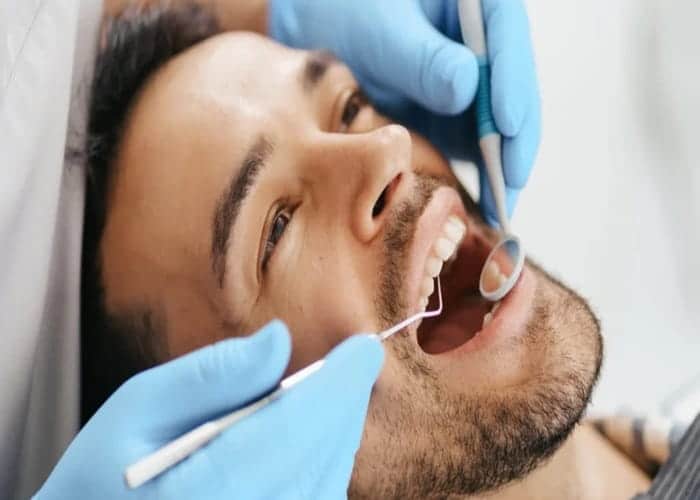
Even if your teeth appear healthy, periodic checkups are always better and less costly than treatment after damage and can prevent serious problems. People prone to decay should visit every 3–4 months, and others every 6–9 months for examination.
During these visits, the dentist diagnoses early decay and provides guidance, such as using a night guard for teeth grinding or caring for fillings.
8. How Sugar-Free Gum Helps Dental Health
When you don’t have access to water or a toothbrush, chewing sugar-free gum for 5–10 minutes after each meal or snack increases saliva and reduces harmful bacteria and acids. Remember that caffeine, such as strong tea and coffee, as well as tobacco, dries the mouth and can lead to Coffee and Tea Stains on Teeth, so limit them and try to keep your mouth moist.
9. Healthy Diet for Teeth in Winter
In winter, consume calcium- and vitamin D-rich foods such as milk, yogurt, and cheese to keep enamel strong. Also, vegetables (spinach, celery, cabbage) and nuts help rebuild enamel and support jaw health. Maintaining these habits also helps keep your smile bright and supports long-lasting Teeth Whitening results.
10. Limit Sweets Consumption
Sweets and chocolates can cause tooth decay; it is better to consume them in moderation. After eating sweets, rinse your mouth with water or eat some dairy, such as milk, to reduce the effect of sugar on your teeth. The less sugar there is, the less acid bacteria produce and the lower the risk of decay.
Conclusion
Healthy teeth in winter are achievable with simple daily care. Proper brushing, flossing, choosing the right toothpaste, protecting against cold, and healthy nutrition all help maintain dental health and protect teeth in winter. Regular dental visits and preventive care can also prevent tooth decay and sensitivity. By following these simple tips, you can enjoy every meal and drink throughout the winter.
If you’re looking for specialized support, our team provides comprehensive Dental Care for Refugees in North York. Schedule a visit today to ensure your smile stays healthy and strong, even during the cold winter months!
FAQ
1. Why do teeth become more sensitive in winter?
Cold air and dry weather reduce saliva production and expose tooth nerves more easily. This can trigger pain when breathing cold air, drinking cold water, or eating sweets.
2. How can I prevent cavities during winter?
Brush twice daily, floss once a day, and drink enough water to avoid dry mouth. Also limit sugary snacks, rinse after eating citrus fruits, and visit your dentist regularly. These habits prevent bacteria buildup and protect enamel from decay.
3. Should I brush my teeth right after eating citrus fruits?
No. Citrus fruits contain acid that temporarily softens enamel. Brushing immediately can damage the enamel surface. Instead, rinse your mouth with water and wait about 30 minutes before brushing.
4. What type of toothbrush is best for winter tooth sensitivity?
A soft-bristled toothbrush is recommended. It cleans teeth effectively without damaging enamel or irritating gums, which are often more sensitive during cold weather.
6. Can chewing gum actually help protect teeth?
Yes, sugar-free gum increases saliva flow, which naturally washes away acids and bacteria. Chewing it for 5–10 minutes after meals is especially helpful when brushing isn’t possible.
Have you noticed increased tooth sensitivity this winter? Share your experiences or tips in the comments below. We’d love to hear how you protect teeth in winter!