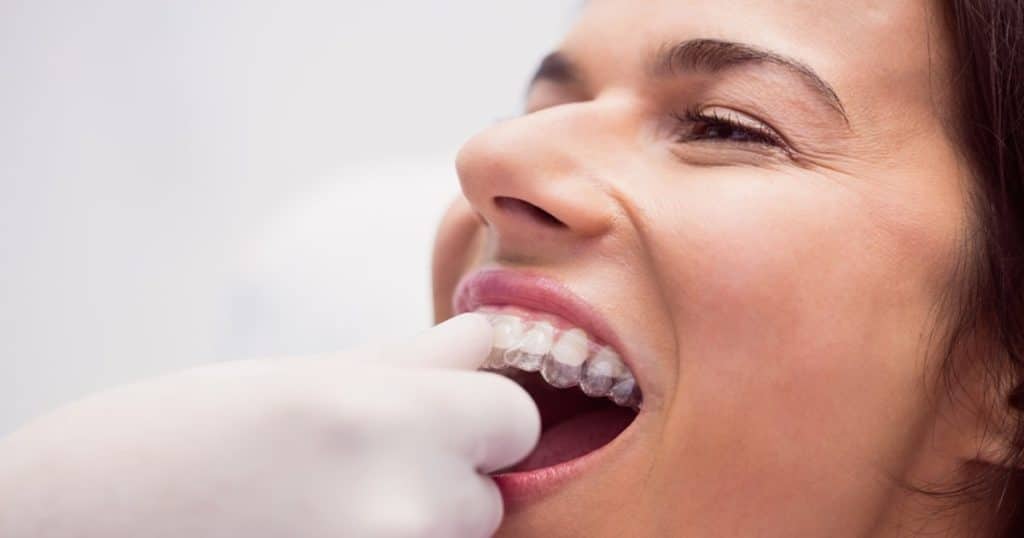
Invisalign aligners straighten teeth almost invisibly, but the first days can bring some soreness. Invisalign pain relief comes from simple tricks like cold compresses, warm saltwater rinses, and over-the-counter pain relievers. These methods help you stay comfortable and relaxed. Keep reading to discover how to make your Invisalign journey easier.

Understanding Invisalign Discomfort
Even though aligners are designed to be gentle, it’s normal to feel some pressure or ache when you start a new aligner. This soreness usually means the aligner is doing its job. Here are some common sources of Invisalign discomfort:
| Source of Discomfort | Explanation |
| Tooth Movement Pressure | Aligners apply constant force to your teeth to move them. This pressure can cause soreness in the teeth and gums as they adjust to the new positions. |
| Gum or Cheek Irritation | The edges of the aligners or any attachments can rub against soft tissues inside your mouth, leading to irritation, tender spots, or ulcers. |
| Improper Fit | If an aligner isn’t fully seated on your teeth or is bent out of shape, it can press unevenly against the gums or teeth, increasing discomfort. |
| Jaw Muscle Strain | Speaking, chewing, or clenching with new aligners can tire the jaw muscles. Overworked muscles may feel achy or even give you a headache until you adapt. |
Read more: “Benefits of Clear Aligners: Why More People Are Choosing Invisible Braces”
Effective Approaches to Invisalign Pain Relief
You have a few easy ways at home to deal with the pain and make your Invisalign journey a lot smoother. These simple tricks target the usual trouble spots and help you feel more in control:
Over-the-Counter Pain Relievers

Mild pain relievers help a lot with Invisalign soreness. Many people use acetaminophen (Tylenol) since it eases pain without affecting how the teeth shift. Ibuprofen also helps when the pain worsens, as long as you follow the instructions on the box. Use these medicines only when you truly need them and avoid taking them every day so your treatment stays on track.
Ready for a more comfortable Invisalign experience?
At Walk In Family Dentistry, we provide personalized orthodontic care and expert guidance to ensure your aligners feel as comfortable as possible. Visit our homepage to learn more and book your next appointment!
Cold Compresses
A cold pack numbs the area and calms sore teeth and gums fast. Just wrap some ice or frozen peas in a thin cloth and place them on your cheek for about 10–15 minutes. You can repeat it a few times a day, especially after you switch to a new aligner. Take short breaks between sessions so your skin stays safe.
Do you have crooked teeth and don’t like them? Visit Crooked Teeth Causes to learn some of the different types and causes.
Warm Saltwater Rinses

A warm saltwater rinse calms irritated gums and helps small sores heal faster. Just mix half a teaspoon of salt in a cup of warm water and swish for about 30 seconds. Do it after meals or before bed to keep your mouth clean and fresh. You can repeat it a few times a day, then rinse with plain water to wash away extra salt.
Orthodontic Wax and Chewies
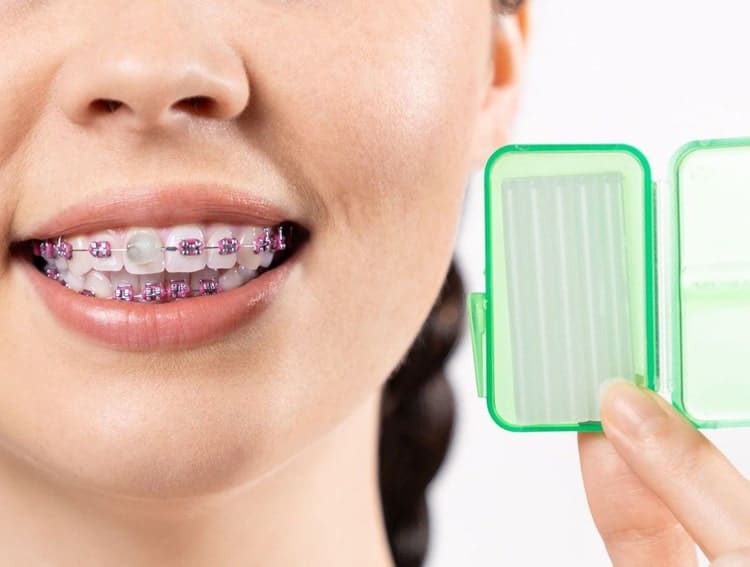
Orthodontic wax is great for covering any sharp spots on your aligners. Just take a tiny piece, warm it between your fingers, and press it onto the area that bothers you. It creates a smooth shield for your cheeks and gums, and you can swap it out before meals. Invisalign chewies also help by seating the aligner better and easing pressure, so both options give your mouth a nice break.
Soft Foods and Gentle Chewing
When you switch to a new aligner, stick to soft foods like yogurt, eggs, or mashed potatoes so your teeth don’t feel extra pressure. Skip crunchy or sticky snacks until your mouth settles down. You can also bite gently on a clean finger or a bit of gauze to help the aligner sit properly and ease the ache. Once things feel better, you can slowly go back to firmer foods.
Note: In cases of sharp or persistent pain, make sure to see an emergency dentist.
Professional Treatments and Advanced Techniques
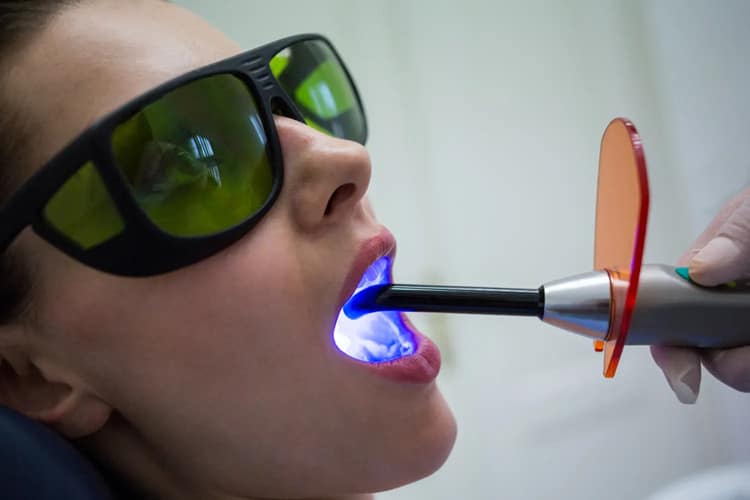
If home care doesn’t fully calm the pain, your orthodontist can step in with a few advanced options:
| Professional Solution | What It Does |
| Orthodontist Adjustment | Your dentist may recommend dental bonding to trim or smooth any sharp edges on your aligners and reposition attachments. |
| Prescription Options | In rare cases, a dentist may prescribe a stronger mouth gel or medication for short-term pain relief. |
| Low-Level Laser Therapy (LLLT) | Some practices offer laser therapy, which can speed up pain reduction and healing by stimulating blood flow in sore areas. |
Are you curious about what you can do when you lose a temporary filling? Take a look at Lost Temporary Filling to learn some immediate steps.
Preventing Invisalign Pain and Discomfort
Some simple habits can prevent pain before it even starts. Try these tips during your treatment. Small changes now can save you a lot of discomfort later:
- Consistent Wear: Keep aligners in for the recommended 20–22 hours per day so teeth move nonstop without stress.
- Use Chewies: Always bite on Invisalign chewies or a folded gauze after putting in a new aligner to ensure it’s fully seated.
- Switch at Night: Change to a new aligner before bedtime so you sleep through the peak soreness hours.
- Gentle Removal: Take out aligners gently using a removal tool or your fingers; don’t bend or drop them.
- Communicate: Let your orthodontist know if you feel sharp pain or any ongoing problems so they can fix it quickly and keep you comfortable.
Want to learn some great tips to keep your teeth healthy and safe? Check out Tips Healthy Teeth to find out how you can form healthy habits.
Comfortable Smiles Ahead
Your journey to a straighter smile might have a few bumps, but most soreness is temporary. Use simple tricks like ice packs and saltwater rinses to master Invisalign pain relief quickly. Are you feeling embarrassed about your misaligned teeth? At Walk in Family Dentistry, we offer professional orthodontic care with free consultation in North York. Book an appointment at Orthodontist North York.
FAQ
Why do my aligners make my teeth hurt?
A little pressure or soreness is normal when you start a new aligner; it means your teeth are moving. Most discomfort fades quickly, but if the pain feels sharp or doesn’t go away.
How long will the Invisalign pain last each time?
Most people feel the most discomfort for a day or two after a new aligner, then it eases. Each new tray usually feels a bit easier, and keeping a consistent wear schedule with simple relief tricks helps speed up the adjustment.
What can I do for instant Invisalign pain relief?
For quick relief, apply an ice pack to your cheek, use a warm saltwater rinse, or take an over-the-counter painkiller. Orthodontic wax can protect sore spots.
Is it safe to take pain medication with Invisalign?
Of course. Taking standard over-the-counter pain relievers like acetaminophen or ibuprofen is generally safe for Invisalign pain. Just follow the recommended dosage and avoid heavy use unless your dentist tells you otherwise.
When should I see my dentist about Invisalign pain?
If pain is severe, lasts more than a few days, or if an aligner feels bent or injures your mouth, contact your orthodontist. Also mention any persistent sores or unusual pain during your appointments.
Have you tried any Invisalign pain relief methods that worked well for you? Please share your experience in the comments and help others on their Invisalign journey!