
Getting dental veneers can transform your smile and boost your confidence, but achieving a beautiful, long-lasting result doesn’t end when the veneers are placed. How you take care of veneers afterward will affect how long they last, how natural they look, and how healthy your underlying teeth and gums remain. This guide covers everything you need to know to maintain your dental veneers properly and enjoy your smile for years to come.

Daily Care for Your Veneers
Proper daily care helps prevent staining, discoloration, gum disease, and damage to the veneers themselves.
Brushing and Flossing Techniques
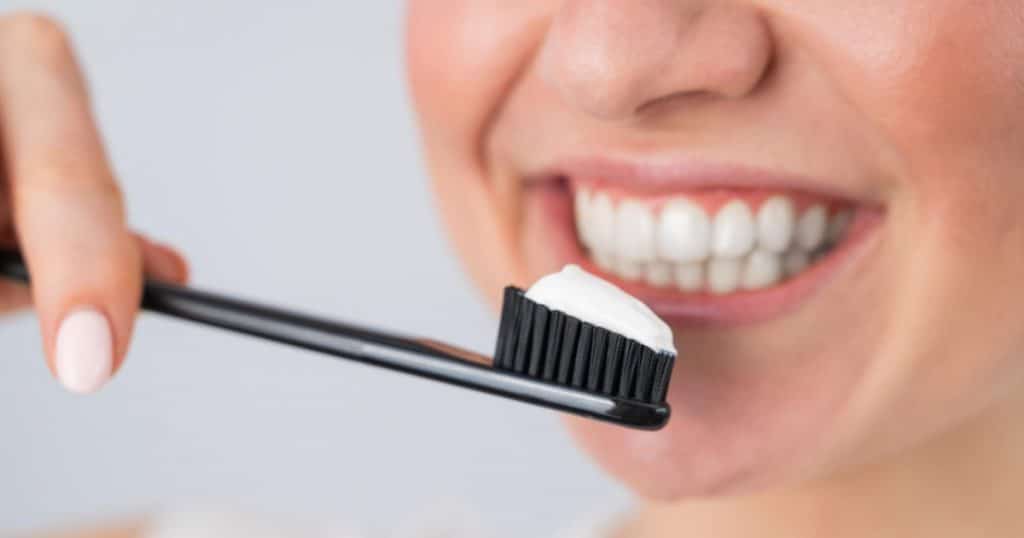
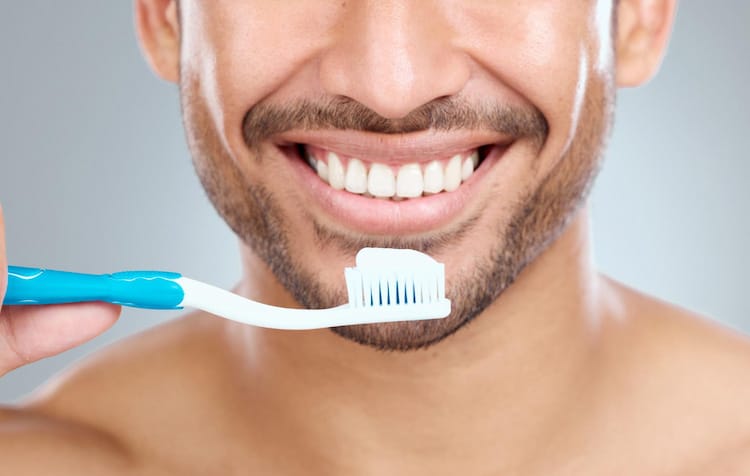
Brush your teeth at least twice a day with a soft‑bristled toothbrush and non‑abrasive fluoride toothpaste. A gentle, circular motion is better than aggressive scrubbing; harsh brushing can scratch the surface of veneers or wear away the bond at the edges.
Flossing daily is equally important. Take care especially around the veneer margins: slide the floss gently between each tooth and pull it out carefully rather than snapping it down. This helps avoid damaging or loosening veneers. For those who find flossing cumbersome or want extra cleaning power, a water flosser can be a good alternative; it can remove food particles and plaque gently without stressing veneer edges.
Use Mouthwash Carefully
Rinsing with an alcohol-free, antimicrobial or fluoride mouthwash can help reduce bacteria, prevent plaque buildup, and keep your gums healthy. This is crucial, because even if veneers themselves can’t decay, the natural teeth and gums beneath them still can. Avoid mouthwashes with abrasive or high‑alcohol formulas, as they can weaken the bonding material or irritate gums.
Foods and Habits to Avoid with Dental Veneers
Even the strongest veneers are not invincible; certain foods, drinks, and habits can shorten their lifespan or damage them.
Avoid Hard, Crunchy or Sticky Foods
Biting down on hard items, like ice, hard candy, unchopped nuts, or even crunchy raw vegetables (e.g. raw carrots), can chip or crack veneers. Sticky or chewy foods (like taffy, caramel, chewing gum) may tug at the bonding or pull veneers loose. If you want to enjoy crunchy fruits or nuts, consider cutting them into bite‑sized pieces or chewing with your back teeth.
Limit or Be Smart with Staining Foods & Drinks
Porcelain dental veneers are more stain-resistant than composite ones, but no veneer is completely stain-proof, and the natural teeth and gum margins can still discolor. Drinks like coffee, black tea, red wine, cola, and dark berry juices, as well as heavily coloured sauces (tomato, soy sauce, curry), can cause staining over time.
If you do indulge, it’s a good idea to rinse your mouth with water afterward and brush when you can (ideally about 30 minutes after) to reduce colour buildup.
Don’t Use Your Teeth as Tools
Avoid using your teeth for non‑eating tasks, like tearing open packaging, biting nails or pencils; these behaviours put unnecessary pressure on veneers and may cause them to crack or loosen.
Protect Your Veneers from Grinding or Impact
If you grind or clench your teeth at night (a condition known as bruxism), or if you play sports, using a custom nightguard or a protective mouthguard can make a big difference. Grinding or sudden impact can easily damage veneers or cause them to detach.
Regular Dental Checkups & Maintenance
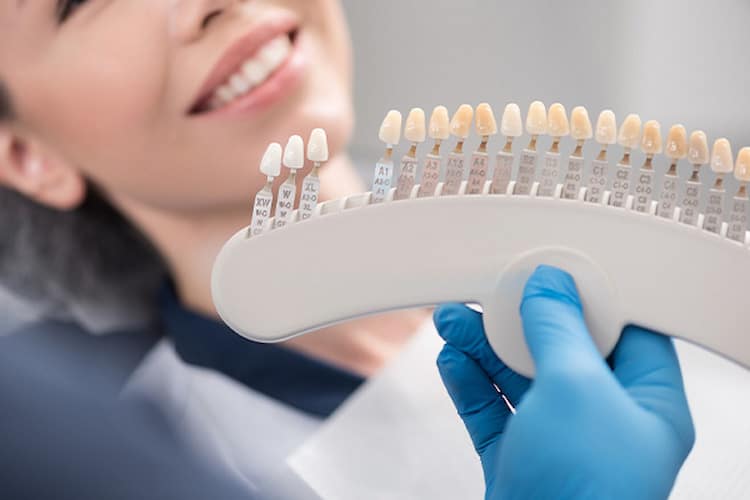
Even with perfect daily care, professional oversight is essential. We recommend scheduling a checkup and professional cleaning every six months. During these visits, your dentist or hygienist can check that veneers remain securely bonded and show no signs of wear, chipping, or margin breakdown and clean plaque or stains from around the edges or gaps that are hard to reach with a toothbrush/floss alone.
They can also monitor gum health to prevent gum recession or inflammation. This is because gum problems under or around veneers can compromise their fit and appearance.
All in all, regular checkups help catch developing problems early and extend the overall lifespan of your veneers.
Further reading: Dental Veneers vs Laminates: What Are the Key Differences?
Contact Us for Top-Notch Veneer Treatments
Thinking about getting veneers or already have them and want expert guidance? Contact us at Walk In Family Dentistry today. Our friendly team will help you choose the right veneer type and show you how to care for them properly for a long, healthy smile.
Handling Common Issues with Veneers
Even with good care, veneers may occasionally require attention. Here are some common issues and what to do.
- Chipping or Cracking
Porcelain veneers are strong, but they can chip or crack if you bite hard foods, use your teeth to open packages, or experience an accidental impact. You may notice a small crack, uneven edges, or a sharp area that catches your tongue.If this happens, avoid using the affected tooth and contact your dentist immediately. Early repair can prevent further damage and maintain the natural appearance of your smile. - Bond Weakening or Loosening
The bond holding a veneer can weaken over time due to teeth grinding, trauma, or improper care. You might feel the veneer moving slightly or notice food getting stuck at the edges. If you experience these signs, stop putting pressure on the veneer and schedule a dental visit promptly. Your dentist can re-bond or replace it to prevent full detachment. - Staining or Discoloration
Porcelain veneers resist stains better than natural teeth, but the margins and surrounding teeth can still discolor. Composite dental veneers are more prone to staining. Common causes include coffee, tea, red wine, dark sauces, smoking, and inconsistent oral hygiene. To minimize discoloration, maintain daily brushing and flossing, rinse after consuming staining foods or drinks, and attend regular professional cleanings. If staining occurs, your dentist can polish the veneer or perform touch-ups. - Gum Problems (Recession or Irritation)
Healthy gums are essential for keeping veneers secure and looking natural. Gum issues like inflammation, tenderness, or recession near veneer edges can expose the underlying tooth or affect the fit. You may notice redness, swelling, or gums pulling away from the veneer. If this happens, visit your dentist promptly. Regular checkups and proper oral hygiene help maintain both gum health and veneer longevity. - Sensitivity or Discomfort
Mild sensitivity to hot, cold, or pressure is common after veneers are placed. This usually improves as your mouth adjusts. If sensitivity persists or worsens, it may indicate a problem with the veneer fit or bonding. Use a soft-bristled toothbrush and non-abrasive toothpaste, and contact your dentist for evaluation.
Did You Know?
Porcelain veneers tend to last much longer than composite ones if properly maintained. Therefore, the longevity of your veneers don’t only rely on aftercare, but the veneer type and tooth preparation.
Read more: PubMed Central
Take Care of Veneers & Keep Your Smile Perfect
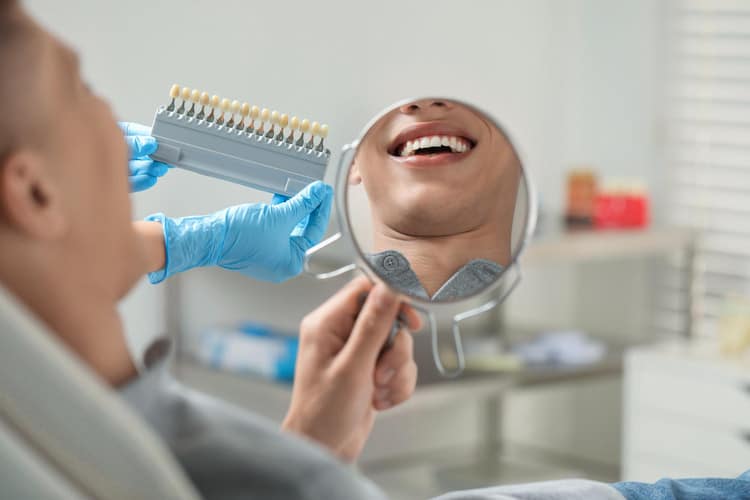
The longevity and beauty of dental veneers depend on following a careful care routine. From daily oral hygiene practices for veneer maintenance to mindful eating habits and regular dental check-ups, every step is essential to keep your veneers looking perfect. Additionally, knowing and avoiding actions that could harm your veneers is key to keeping them safe. If there’s any damage or discomfort, seeing your dentist immediately is essential to prevent further issues.
If you would like personalised aftercare advice or want to book a check-up, we at Walk In Family Dentistry are here for you. Our dental team also offers various other cosmetic dentistry services in North York, providing solutions for every dental need. So, why wait?! Contact us today and let us know how we can help.
FAQ
Do your teeth rot under veneers?
No, your teeth don’t rot under veneers if you maintain proper oral hygiene. Veneers cover the front surface of your teeth, but decay can still happen on the exposed edges or the underlying tooth if you neglect brushing, flossing, or regular dental check-ups.
How long do veneers last?
Veneers typically last 10 to 15 years, depending on the material (porcelain lasts longer than composite) and how well you care for them. Avoid biting very hard foods or using your teeth as tools to extend their lifespan.
What is the best toothpaste for veneers?
Use a non-abrasive, fluoride toothpaste to protect both your veneers and natural teeth. Avoid whitening or highly abrasive toothpastes, as they can scratch or dull the veneer surface.
Can I bite an apple with veneers?
Yes, you can bite an apple with veneers, but it’s best to be careful. Veneers are strong, but biting directly into hard foods like apples, nuts, or candy can chip or crack them over time. To protect your veneers, it’s safer to cut apples into small pieces instead of biting them whole.
Have you experienced any challenges with your veneers? Share your story or ask your questions in the comments below!

One Response
I admire the depth of your knowledge on the topic. Your post demonstrates a comprehensive understanding.