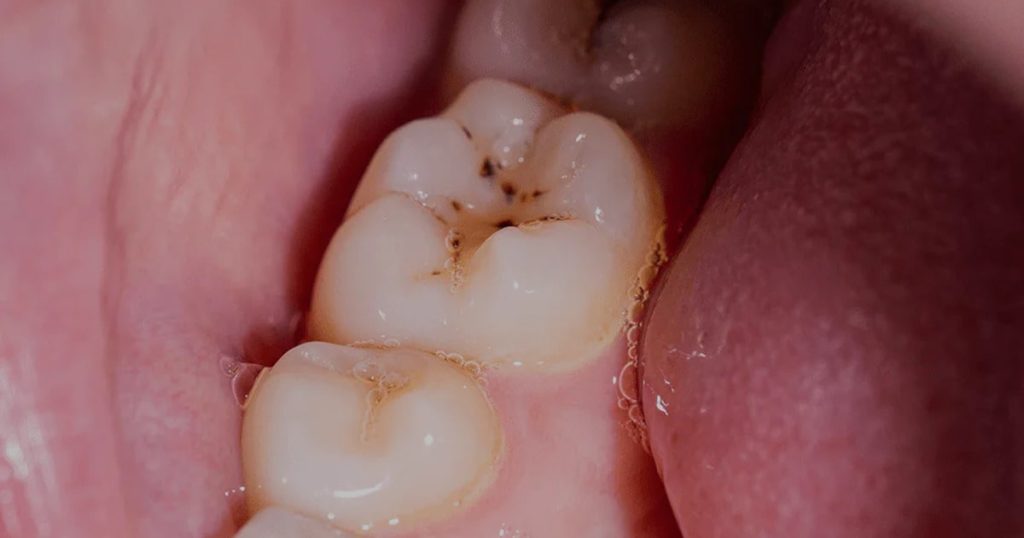
You want to brush your teeth, look in the mirror, and see some weird, dark, or black spots on your teeth. They can be harmless surface stains, but sometimes, they can be a result of other underlying issues like tooth decay or cavities that might need dental fillings. Let’s discover what the common causes of black spots on your teeth are, and learn some techniques to treat and prevent them.
Common Causes of Black Spots on Your Teeth
It’s important to know why black spots on your teeth appear in the first place, so you know what exactly you’re dealing with and how you can treat it.
1. Surface Stains
Certain foods and drinks (such as coffee, tea, berries, or red wine), smoking or tobacco use, and the compounds found in mouthwashes can cause dark spots on the surface of your teeth. You can treat this type of stain with dental cleaning.

Concerned About Black Spots on Your Teeth?
At Walk In Family Dentistry, we provide professional exams, cleanings, and personalized treatments to remove stains, detect cavities early, and protect your oral health. If you’ve noticed dark spots or sudden discoloration, let our trusted dental team take care of your smile.
2. Tartar Buildup
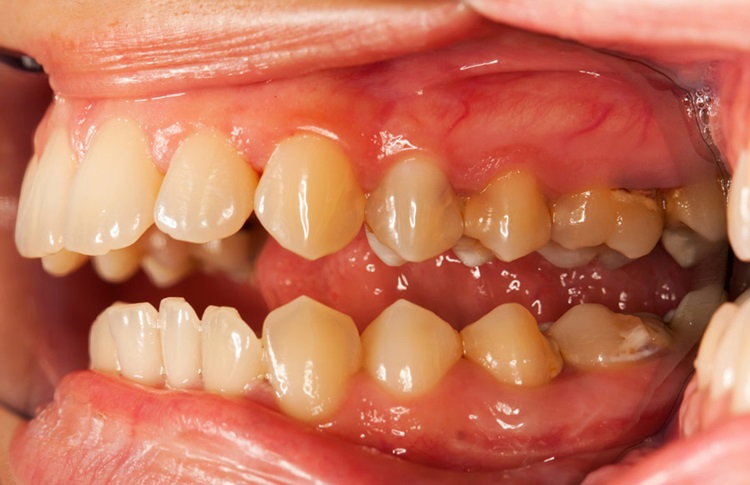
Food particles and bacteria create plaque. If you don’t brush and floss properly and daily, the plaque can harden into tartar. Dentists can remove this yellow substance, but if you leave it untreated, it will turn darker because of food or chewing tobacco.
Read more: “Whiten Fillings on Front Teeth: Causes, Solutions and Expert Tips”
3. Tooth Decay or Cavity
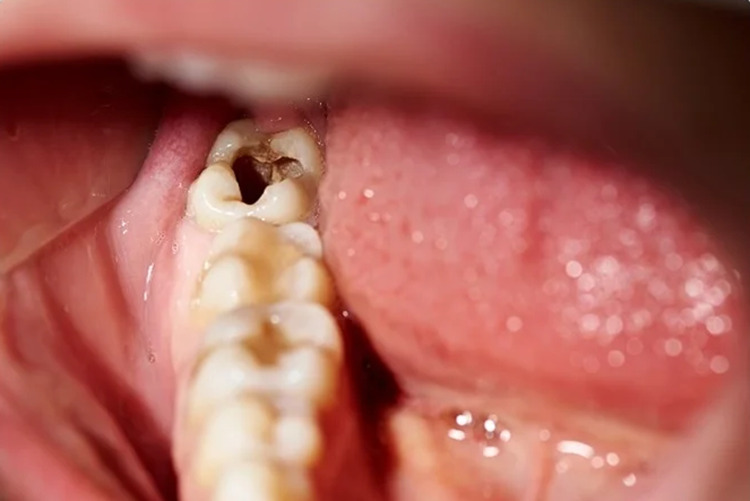
When the harmful bacteria in your mouth attack the tooth enamel, they produce acid and cause cavities. Black spots start appearing when the cavity reaches the dentine layer underneath the enamel. Note that these black spots are rough, sticky, and continue to grow.
4. Certain Medications
Some medications, like Tetracycline, can cause tooth discoloration. Pregnant women or those in early childhood should stay cautious while using these medications. Don’t forget to take oral hygiene measures seriously in this situation.
5. Old Fillings
The chemicals in your mouth might gradually cause an old metal filling to separate from the tooth. This lets bacteria and food enter and cause decay, which results in black spots on your teeth. This condition is known as an amalgam tattoo and is not usually serious. However, visit a dentist so they can check deeper for possible underlying problems.
6. Natural Enamel Defect
If you have weaker enamel, you can naturally develop dark lines or patches on your teeth. Conditions like enamel hypoplasia can be more vulnerable to the decay caused by bacteria.
Want to learn more about common causes of tooth discoloration? Click the link to get a better idea of why this happens.
7. Excessive Fluoride
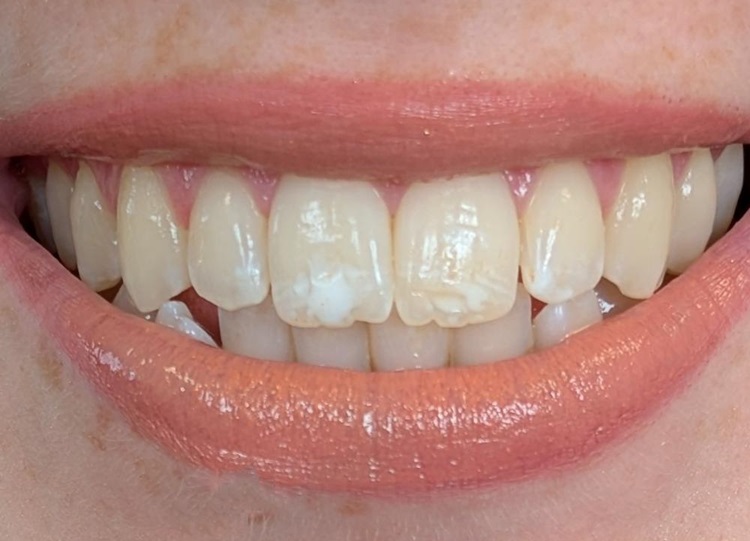
Fluoride can protect your teeth from bacteria and decay, but if you consume too much of it while the enamel is developing, it causes fluorosis. Brown, white, or black spots with deep grooves appear on your teeth in more severe cases.
How to Treat the Black Spots on Your Teeth
You might be wondering if you can actually treat the black spots on your teeth. There are both professional and at-home remedies to eliminate these spots.

- You can get a customized whitening tray from your dentist to help remove the black spots.
- Professional dental cleaning can remove tartar and surface stains.
- Professional teeth whitening treatments can also be a great option.
- If the stains don’t go away, you can get dental veneers to cover your tooth surface.
- Tooth whitening toothpastes that contain fluoride can reduce plaque and surface stains.
Are you curious about how often you should replace your toothbrush? Visit the link to learn how it can be harmful to your teeth and gums.
How to Prevent Black Spots on Your Teeth from Happening
If you’ve just treated tooth discoloration, or never had them and simply want to prevent these black spots on your teeth, here are some tips for you:
- Maintain dental hygiene: Brush your teeth twice a day with fluoride toothpastes and floss daily to remove plaque.
- Adjust your diet: Limit foods and drinks that stain your teeth and rinse your mouth after you consume them.
- Don’t smoke or chew tobacco: They can easily darken your teeth.
- Maintain regular check-ups: They help detect stains and treat them early.
- Protective treatments: Such as sealants, can decrease the risk of discoloration.
If you want to keep your teeth healthy and safe, here are 6 tips for healthy teeth to keep your smile strong and bright.
Don’t Panic if Black Spots Appear on Your Teeth!
It can be stressful when you suddenly see those ugly black spots on your teeth. But don’t worry, they don’t always indicate serious issues like cavities or infection. It’s always a good practice to visit a dentist in this situation. If you are experiencing immense tooth pain or have cracked your tooth, Walk In Family Dentistry has emergency dentists in North York who make you feel comfortable and safe throughout your visit.
FAQ
Why did black spots appear on my teeth?
Black spots can appear because of certain foods and drinks, smoking or tobacco use, compounds in mouthwashes, tartar buildup, tooth decay or cavity, certain meds, old fillings, natural enamel defects, and excessive fluoride intake.
Are black stains on teeth serious?
If they are caused by tooth decay, cavities, or infections, they can be serious and require dental treatment. However, they can also be harmless surface stains that can go away with some at-home remedies.
Which vitamin deficiency causes black spots on teeth?
Vitamin B12 eliminates the bacteria in your mouth, prevents plaque buildup, and prevents tooth discoloration. You may need to add more vitamin B12 to your diet if your teeth are stained and your gums are unusually red.
Do black spots on teeth always need filling?
No. If they are just harmless surface stains and there are no underlying issues, they don’t need filling.
Have you ever dealt with black spots on your teeth or tried any of these treatments? Share your experience or questions in the comments. We’re here to help!