
A common question people have after leaving the dentist is “How long after a filling can I eat?”. The answer is not always a simple number; it depends mostly on the material your dentist used for the dental filling and whether you had a shot to numb the area. If you eat too soon, you risk damaging the fresh repair or accidentally biting yourself. This complete guide breaks down the necessary timelines based on your specific filing type.
How Long After a Filling Can You Eat
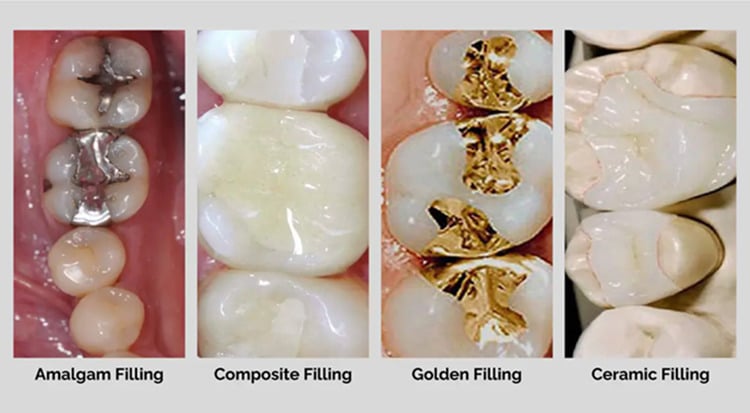
You can answer “how long after a filling can I eat?” by considering two factors: the duration of the anesthetic (remember not to eat until it wears off) and the specific material used.
| Filling Type | Common Name | Setting Time | Minimum Wait Time Before Chewing |
| Composite Resin | White/Tooth-colored | Seconds (UV Cured) | Wait until numbness wears off (1–3 hours) |
| Amalgam | Silver/Metal | 24 Hours (Chemical Set) | 24 hours (Must use opposite side) |
| Ceramic | Porcelain (Inlay/Onlay) | Cementing/Bonding | Wait until numbness wears off (1–3 hours) |
| Gold | Cast Metal (Inlay/Onlay) | Cementing/Bonding | Wait until numbness wears off (1–3 hours) |
| Temporary | ZOE/Temporary cement | Minutes to 1 hour | Soft foods only for 24 hours |
1. After Composite (White) Filling
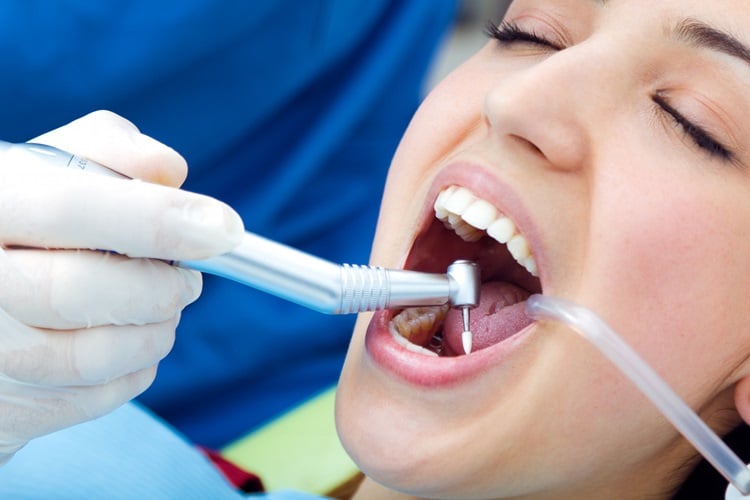
These fillings are ready for chewing almost as soon as the dentist finishes the procedure. Once the anesthetic has fully gone (usually 1 to 3 hours after the shot), you are generally safe to start eating soft foods. However, you should still be careful. Wait at least two hours before you chew directly on the side of the mouth where the work was done.
Read more: “Whiten Fillings on Front Teeth: Causes, Solutions, and Expert Tips”
2. After Amalgam (Silver) Filling
This material takes a full 24 hours to completely harden and achieve its maximum durability. Therefore, if you received an amalgam filling, you must wait the entire 24 hours before you chew any food on that specific side of your mouth.
Did you just lose a temporary filling? Take a look at our emergency guide for lost temporary fillings to learn what to do in these situations.
3. After Ceramic Fillings
You usually need to wait 1–2 hours until the numbness wears off so you don’t bite your cheek or tongue. Ceramic itself is fully hard as soon as it’s bonded, so you can eat the same day. Avoid very sticky or hard foods for 24 hours to let the bonding reach maximum strength.
Need a dentist you can trust for fillings, checkups, or urgent concerns?
At Walk In Family Dentistry, we provide high-quality dental care, from fillings to crowns, with gentle techniques and same-day service. Visit our main page to book an appointment and keep your smile healthy and protected.
4. After Gold Fillings
Gold restorations are cemented in place, and the cement needs time to set. You can usually eat after about 1–2 hours, once numbness fades. Avoid chewing on the newly filled side for 24 hours for the best long-term stability.
5. After Temporary Fillings
You shouldn’t eat or drink anything for at least 30 minutes to 2 hours after the treatment to allow the material to set. If you eat too soon, it can easily displace or remove the temporary dressing, which may cause an infection.
Note: If you’ve also received other treatments, such as a routine dental cleaning or teeth whitening, your dentist may provide slightly different aftercare instructions.
Foods and Drinks You Must Avoid Right After a Dental Filling
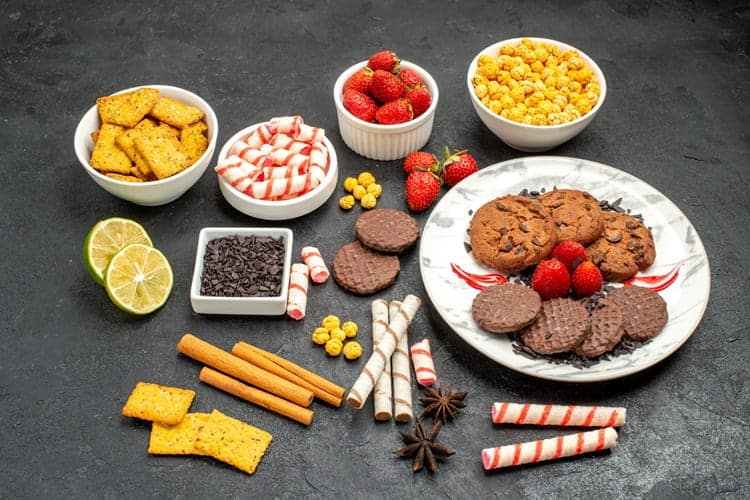
Even after the initial numbing has worn off and the filling material has set, your tooth needs time to settle. So it’s very important to avoid certain types of foods and drinks for the first few days. Let’s explore some of the examples:
- Hard and crunchy foods: Don’t eat foods like ice, nuts, hard candy, and popcorn kernels because they can put a lot of pressure on the restoration.
- Sticky and chewy foods: Avoid chewing gum, caramel, and toffee. The force needed to unstick these items can physically pull the filling material out of the prepared cavity.
- Foods and drinks with extreme temperatures: Extremely hot beverages or very cold treats can trigger sharp, lingering pain and discomfort.
- Acidic and highly sugary items: Acidic drinks and foods, such as soda, citrus fruits, and tomatoes, can irritate the sensitive gum tissue and the newly treated tooth site.
Do you have a decayed tooth? Read our blog about saving badly decayed teeth to learn more about different tooth decay stages.
Safe Eating Tips for the First Day
You can eat after the dental visit, but the key is to have safe eating strategies for the first 24 hours:
- For the first day, only have foods that require minimal to no chewing.
- Direct your food to the side of your mouth opposite the new filling.
- Bite and chew slowly with small portions, as it can reduce the pressure used by your jaw.
- Drink plenty of water to help keep your mouth clean.
- Gently rinse your mouth two to three times a day with warm salt water.
- If the new filling feels uneven when the numbness goes away, you should call your dentist.
Do you want to keep your teeth healthy and safe? Here are 6 great tips for healthy teeth to help you discover what habits you should develop.
Make Your Dental Filling Last Longer
It’s simple to figure out the answer to “how long after a filling can I eat?” when you remember a few main rules. Wait until the numbness is completely gone, follow the timeline related to the material, and stick to soft foods. Are your teeth damaged, and are you looking for a solution that lasts long? At Walk In Family Dentistry, we provide dental crowns with high-quality materials. Book an appointment for crowns in North York.
FAQ
How long after a filling can I eat if I only had a composite filling?
Anywhere from 1 to 3 hours until the anesthetic has completely gone, once the feeling is back, you can safely start eating soft foods and liquids.
What should I do if my tooth is very sensitive to cold after the filling?
Don’t consume very hot or cold foods and drinks for several days. If the sensitivity increases, becomes persistent, or lasts longer than two weeks, you should contact your dental office immediately.
What happens if I accidentally chew on an amalgam filling within the first 24 hours?
The filling could crack, chip, or become dislodged entirely, which would require a replacement procedure. If the filling feels unstable or if you feel pain after accidental chewing, you must contact your dentist right away.
How long do I have to keep eating only soft foods?
For at least the first 24 hours after any dental filling. After the first day, you can gradually return to your normal diet, but you should continue to avoid the hardest, stickiest foods for several days.
Have you ever experienced discomfort or confusion about what to eat after a filling? Share your experience or questions in the comments. Your story can help other readers, too!