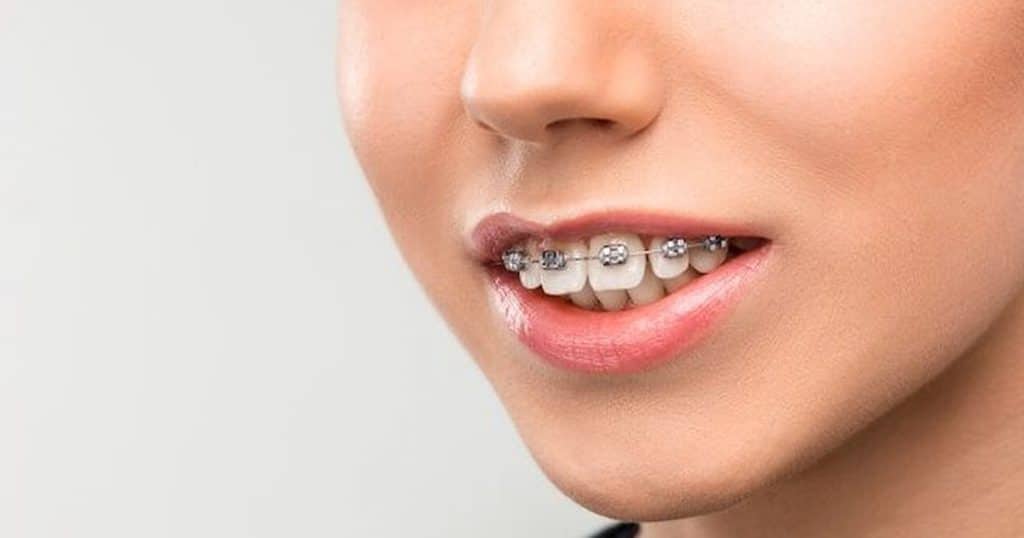
Overbites are a common issue; many people need help understanding these conditions. But what is an overbite? Defined by the top teeth sticking out further than the bottom teeth, more than what’s usually seen, overbites can range from mild to severe. Some might think an overbite is simply about how someone looks, but its impact goes way beyond looks, potentially leading to various dental and health challenges.
In this blog, we’ll explain what an overbite is, how to tell if it’s a problem, and the treatment options available, such as orthodontic treatments. Keep reading to learn how fixing an overbite can not only improve your smile but also protect your teeth and jaw in the long run.

What Is an Overbite?
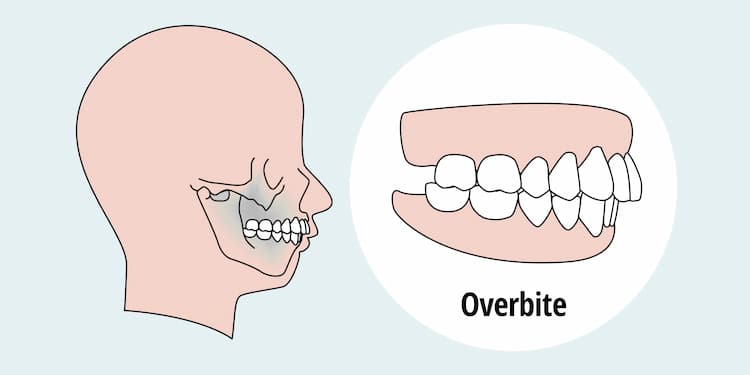
Overbites refer to a situation when the upper teeth extend beyond the lower teeth. This is not just a cosmetic issue but a complex orthodontic condition that can influence eating, speaking, and even breathing.
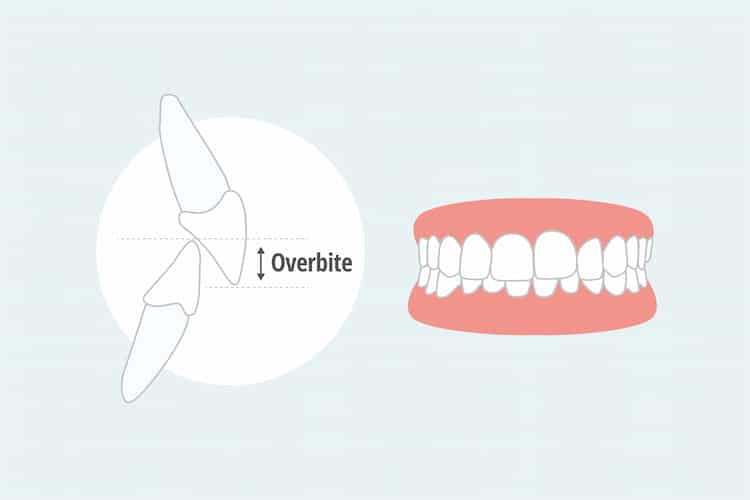
A slight overbite is normal and helps your teeth close properly, but when the overlap is too deep, it’s considered a dental issue. A severe overbite can cause problems like uneven tooth wear, difficulty chewing, or even jaw pain. Dentists often measure how much the top teeth cover the bottom teeth to decide if treatment is needed.
How Do You Know If You Have an Overbite?
You can often spot an overbite just by looking in the mirror. If your top front teeth cover more than half of your bottom teeth when you bite down, you may have one. Other signs include teeth that look worn down, difficulty chewing, or even jaw discomfort. In some cases, people notice their smile looks “gummy” or their top teeth stick out more than usual. The most accurate way to know for sure is by visiting a dentist, who can measure the overlap and tell you whether it needs treatment.
Book Your Overbite Treatment Session Today!
If you need help with your overbite, and you live in North York, Walk In Family Dental is here for you. Our team of skilled dentists has several years of experience in treating overbites successfully and can help you achieve optimal oral health and the best version of your smile.
What Are the Types of Overbites?
So far, we discussed the answer to “whats an overbite”. Now, let’s get to know more about its types. There are two main types:
- Vertical Overbite: This is when the top front teeth overlap the bottom teeth too much vertically. In severe cases, the bottom teeth may even touch the roof of the mouth.
- Horizontal Overbite (Overjet): This happens when the top teeth stick out far beyond the bottom teeth. It’s sometimes confused with an overbite, but is considered a different type.
Some people may have a mix of both, and the type usually helps dentists decide the best treatment approach.
Did you know many people suffer from cossbites? This is another type of misaligned teeth. Read more here: Crossbite Treatment Options and What to Expect
What Are the Causes of Overbite?
There are a number of reasons that could possibly lead to this condition, including inheritance, thumb-sucking, pacifiers, tongue thrusting, and jaw development. Check the following causes, and you might find out which caused your overbite.
1. The Effect of Genes
The first cause is genetics. If some of your family members, like your parents or even your grandparents, have an overbite, chances are you’ve inherited it from them. This is because genes can actually determine the alignment of teeth.
2. Thumb Sucking
Other causes are mostly related to your childhood. Think about that time or ask your parents. Did you use to suck your thumb during childhood? If yes, it might be what has caused you to have an overbite. That’s because when a child sucks their thumb, their upper teeth are pushed forward, and since their jaws and teeth are easier to move, an overbite happens.

3. Pacifier Use
Another reason related to childhood is the use of pacifiers. Pacifier use doesn’t solely lead to overbite, but if a child uses them for a long time, overbite becomes more probable as a result of teeth shifting their positions.
Tongue thrusting is another possible cause of an overbite. Some children (and adults) are used to pushing their tongues against the upper teeth when they’re swallowing something. This makes teeth move forward gradually, resulting in an overbite.
4. Tongue Thrusting
Tongue thrusting is when the tongue pushes forward against the teeth while swallowing or speaking. Over time, this constant pressure can push the upper front teeth forward and the lower teeth backward, contributing to or worsening an overbite. This habit, especially in children whose jaws are still developing, can change the natural alignment of teeth and lead to bite problems that may require orthodontic treatment to correct.
“If you’re an adult with a tongue-thrusting issue, it could’ve developed because of chronic allergies or swelling of the adenoids and tonsils. Stress may also be a contributing factor.“
Read more about thongue thrusting here: Healthline
5. Jaw Development
The way your upper and lower jaws develop is also responsible for an overbite. Sometimes, the upper jaw may become larger than the lower jaw as a person grows and their jaws develop. It can also be the other way around when the lower jaw grows larger, which leads to another type of malocclusion called an underbite.
Did any of these reasons resonate with you? You also may like to read about Crooked Teeth.
The Impact of an Overbite on Oral Health
An untreated overbite can cause more than just discomfort or affect your smile; it can harm your oral health. It puts extra stress on some teeth, making them wear down faster or even chip. Misaligned teeth are also harder to clean, which can lead to gum disease and cavities.
Overbites can strain the jaw, sometimes causing pain or problems with jaw movement (TMJ disorders). Because of these risks, fixing an overbite is important not just for appearance, but also to protect your teeth, gums, and jaw.
When Is an Overbite a Health Concern?
An overbite becomes a health concern when it starts affecting more than just your smile. Severe overbites can cause jaw pain, headaches, difficulty chewing, worn-down teeth, and even speech problems. They can also increase the risk of gum damage and tooth decay because of uneven pressure on your teeth. If left untreated, these issues can worsen over time, which is why dentists often recommend evaluating and correcting significant overbites early.
Here are some signs to watch for:
- Top front teeth covering most of the bottom teeth when you bite
- Worn, chipped, or uneven teeth
- Jaw pain, clicking, or discomfort
- Difficulty chewing or biting certain foods
- Speech issues like lisping
- Gums or the roof of the mouth being irritated by teeth
- Noticeable protrusion of upper teeth or “gummy” smile
How Is an Overbite Diagnosed?
Diagnosing an overbite requires a thorough dental examination, in which the dentist examines the degree of tooth overlap and analyzes the patient’s bite. This assessment typically includes dental X-rays or 3D imaging technologies to see how the teeth line up and what the jaw looks like.
These diagnostic instruments are essential for correctly figuring out how bad the overbite is and developing a treatment plan that works. Identifying an overbite early is critical in preventing its advancement and reducing its effects on oral health.
How to Treat an Overbite
You certainly can treat your overbite, and you have a number of ways to do it. But to find out which treatment is suitable for you, you need to consult an expert. Let’s explore the options to treat an overbite.
Braces
Braces are the most common way to correct an overbite. They gradually move teeth into the correct position using brackets and wires. Treatment usually takes 6 months to 2 years, and in some cases, additional appliances like rubber bands are used to adjust the bite.
Invisalign
Invisalign uses clear, removable aligners to straighten teeth and fix mild to moderate overbites. They are nearly invisible and can be taken out when eating or cleaning your teeth. Treatment time varies but generally ranges from 12 to 24 months.
Dental Appliances
For children or teenagers, dentists may recommend special dental appliances, like retainers or bite plates, to guide jaw growth and prevent the overbite from worsening. These are usually most effective when started early.
Tooth Extraction
In severe cases where there isn’t enough space in the mouth, removing one or more teeth can help realign the bite. Tooth extraction is typically combined with braces or other orthodontic treatments.
Surgery
Sometimes, braces or aligners simply won’t do the work because the overbite is too severe to be treated with orthodontics alone. If you have a severe overbite, you might need to undergo jaw surgery before your orthodontic treatment. This treatment is recommended for adults with a severe overbite caused by jaw misalignment. Surgery repositions the jaw and is usually combined with braces before and after the procedure to ensure proper alignment.
Overbite Prevention and Early Intervention
Preventing an overbite largely depends on detecting it early and taking action. Regular dental check-ups from a young age can help identify risk factors and early signs of misalignment. Moreover, addressing habits like thumb-sucking, lengthy use of pacifiers, and ensuring timely dental care for lost baby teeth can prevent the development of overbites. Early dental check-ups, typically recommended around age 7, help to find alignment problems when they’re easier to fix.
Additionally, encouraging good dental care habits from an early age establishes a foundation that supports healthy dental development and alignment. Nutritional guidance, emphasizing a diet that promotes strong jaw and tooth development, can also play a crucial role in preventing overbites.
Find Out What an Overbite Is and Treat It Early
Here, we’ve explored the overbite meaning, emphasizing its significant influence on dental alignment and highlighting how it can affect appearance, oral health, and overall well-being. From understanding the types and causes of overbites to recognizing the signs and symptoms that require our focus, we’ve seen that overbites are a complex issue, highlighting the need for a detailed approach to treatment and care.
At Walk In Family Dental, we help patients correct overbites of all types, whether mild or severe, using braces, Invisalign, or other customized treatments. Don’t wait for discomfort or dental issues to get worse. Book your consultation today and take the first step toward a healthier, more confident smile.
FAQ
Can Invisalign really fix an overbite, and how long does it take?
Yes, Invisalign can fix many types of overbites. Treatment time usually ranges from 12 to 24 months, depending on severity.
Is it worth treating a mild overbite, or should I leave it alone?
Even a mild overbite can cause wear on teeth or jaw discomfort over time. Treating it early helps prevent future problems.
What’s the difference between an overbite and an overjet?
An overbite is how much the top teeth overlap the bottom vertically, while an overjet is how far the top teeth stick out horizontally.
At what age is it best to correct an overbite?
The ideal time is during childhood or the teen years while the jaw is still growing, but adults can benefit from treatment too.
Is it bad to have an overbite?
Not always. A small overbite is normal, but a deep or severe one can lead to tooth wear, jaw pain, speech issues, and even gum problems if left untreated.
Have questions about overbites or your own smile? Share your thoughts or experiences in the comments below!